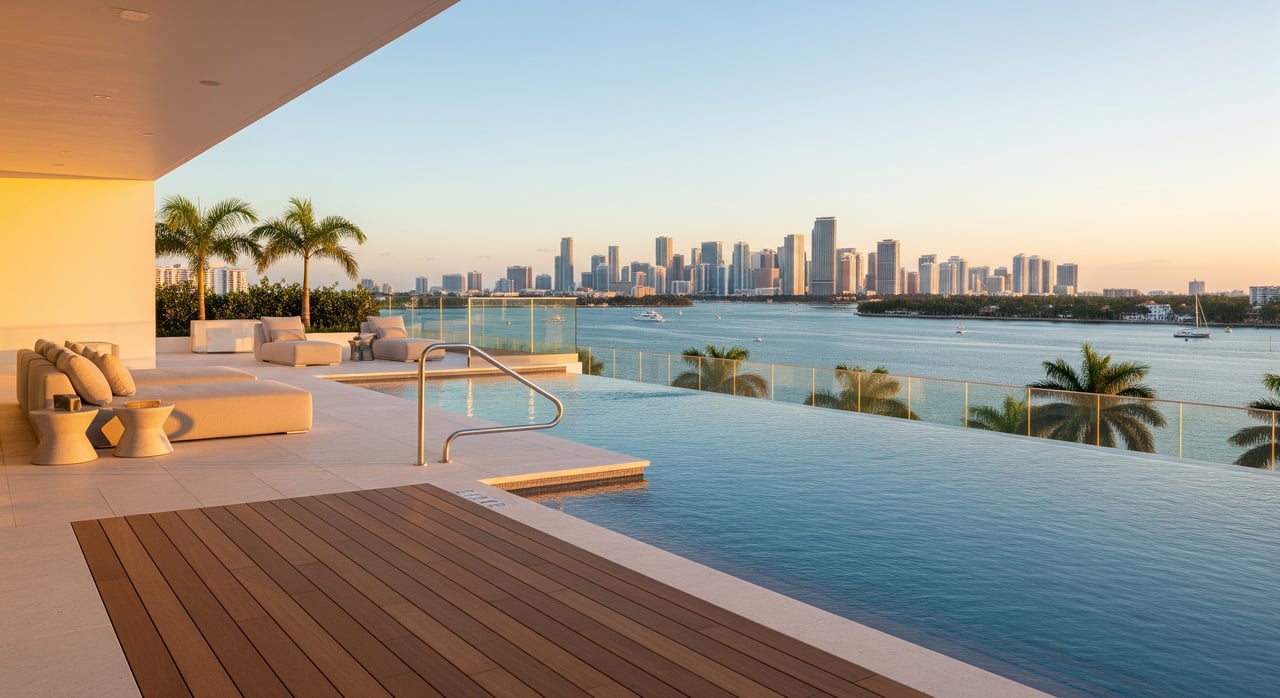
What the Miami Waterfront Lifestyle Really Feels Like
February 5, 2026
February 5, 2026
Salt air on your balcony, sunrise over Biscayne Bay, and weekends shaped by tides instead of traffic. If you are dreaming of a home on the water in Miami, the details matter. Ocean, bay, and canal living each create a different daily rhythm, from morning beach walks to afternoons on the boat. In this guide, you will see how the main waterfront settings feel, how top neighborhoods compare, what seasons bring, and what to check before you buy. Let’s dive in.
Oceanfront / Beachfront
Bayfront / Biscayne Bay
Intracoastal / Canals / Riverfront
Park or Protected Shoreline
Match the setting to your lifestyle. If you want daily beach walks and a resort feel, look to oceanfront. If boating is central, bayfront or canals with private docks can be ideal. If you value quiet privacy, canals often deliver.
Walk everywhere for coffee, shopping, and the beach within minutes. You will find nearby marina access and short runs to the open ocean and Biscayne Bay. Expect a vibrant restaurant and nightlife scene with more crowds and evening energy.
These beachfront stretches are calmer than South Beach, with a growing dining scene in Mid‑Beach. Beaches feel more residential, and daily life moves at an easier pace. You will likely drive for big‑boat marinas, though options are nearby.
This is urban condo living with high walkability and the free Metromover for quick trips. You get skyline and bay views, plus restaurants and retail at your doorstep. Private docks are limited, so many boaters use nearby marinas.
Edgewater puts you on Biscayne Bay with condos that emphasize water views. Walkability is improving, and you are close to Midtown shopping and Wynwood’s arts and dining. Marinas are accessible in the broader bay network.
A leafy, village feel with cafes, shops, and a weekend farmer’s market. Boating culture is at the forefront, with major marina access and services. It suits buyers who want a neighborhood atmosphere with strong bay access.
An island lifestyle with excellent beach access at Crandon Park and Bill Baggs State Park. The village center is walkable for daily needs, with limited nightlife and an overall quieter pace. Boating is popular, and both bay and ocean are easy to reach.
Residential islands with limited commercial activity and quick drives to Miami Beach. Many homes offer private docks, which draws serious boaters. Expect high privacy and a discreet, luxury feel.
You will find luxury towers, refined shopping, and quieter beaches, especially in Bal Harbour and Surfside. Walkability varies by pocket, with Surfside and Bal Harbour offering a village scale. Boating typically happens through nearby marinas.
This area offers suburban convenience with Intracoastal access and a major retail hub. Waterfront options range from condo towers to single‑family enclaves with docks. It is practical for drivers and regional commuters.
Miami is still car‑centric overall, but certain pockets let you leave the car at home. South Beach, Brickell, and Coconut Grove’s core are highly walkable for daily errands. The free Metromover in downtown and Brickell helps with short trips, while Metrorail and local buses extend transit options. Brightline rail connects Miami with Fort Lauderdale and West Palm Beach for regional travel.
Expect traffic to increase in high season and during major events. Parking near popular beaches and nightlife areas can be scarce or expensive. Bike and scooter programs exist, though protected lanes vary by neighborhood.
For many residents, boating shapes weekends. Biscayne Bay is ideal for cruising, paddleboarding, and island hopping. Day trips to the Keys and sportfishing are common goals for boaters.
Miami’s public beaches typically offer lifeguards and amenities, and they change in width and water clarity by location and season. Oceanfront areas often blend beach culture with nightlife spillover, while bayside and canal neighborhoods feel calmer.
Dining ranges from high‑end seafood and Latin‑influenced menus to casual cafes and family spots. The international mix brings Cuban, Caribbean, Colombian, Peruvian, Haitian, and broader Latin flavors. Seasonal festivals like Art Basel, the Miami Boat Show, and the Coconut Grove Arts Festival add energy, traffic, and reservation demand.
Tourist activity and seasonal residents peak from November through April. That means busier restaurants, more events, and a lively social rhythm. Summer brings heat and humidity, lighter visitor traffic, and off‑season calm, with a watchful eye on storms.
Hurricane season runs June through November, so planning is essential. Newer buildings reflect updated South Florida wind and flood standards, while older buildings may need retrofits or carry different insurance considerations. Many neighborhoods experience tidal or nuisance flooding, especially during seasonal high tides, and local governments continue to invest in pumps, raised roads, and seawall projects.
Flood insurance, whether through national programs or private carriers, is a material cost for many waterfront buyers. Premiums depend on flood zone, elevation, and mitigation features. When comparing properties, review flood maps and resilience plans, and discuss coverage options with a knowledgeable insurance professional.
Water quality in South Florida can vary by season and location. Biscayne Bay has active conservation efforts and regulations to protect seagrass and marine life. If you plan to swim or fish regularly, check recent local reports for your preferred areas.
Start with your non‑negotiables. If daily beach walks and sunrise swims are essential, look at oceanfront Mid‑Beach or Surfside. If being on the water means boating first, consider Coconut Grove, Venetian Islands, or canal homes with private docks. If you want urban convenience without giving up the water, bayside Brickell or Edgewater put restaurants, fitness, and errands within easy reach.
It also helps to picture your weeks across seasons. Will you travel during summer, or do you want to experience Miami’s warm months and quieter beaches? Do you plan to host guests who will use ride‑share, or do you need two parking spaces for daily commuting? Answering these questions often points to the right shoreline and neighborhood.
When you are ready to refine your short list or want a seasoned second opinion, connect with Gail Kennell. You will get clear, calm guidance shaped by years of coastal property experience and a practical roadmap for next steps.
Discreet Horizons is the forensic intelligence arm of Sea Crown Estates. In an era of increasing transparency and shifting coastal codes, we provide the situational awareness required to protect coastal legacies.
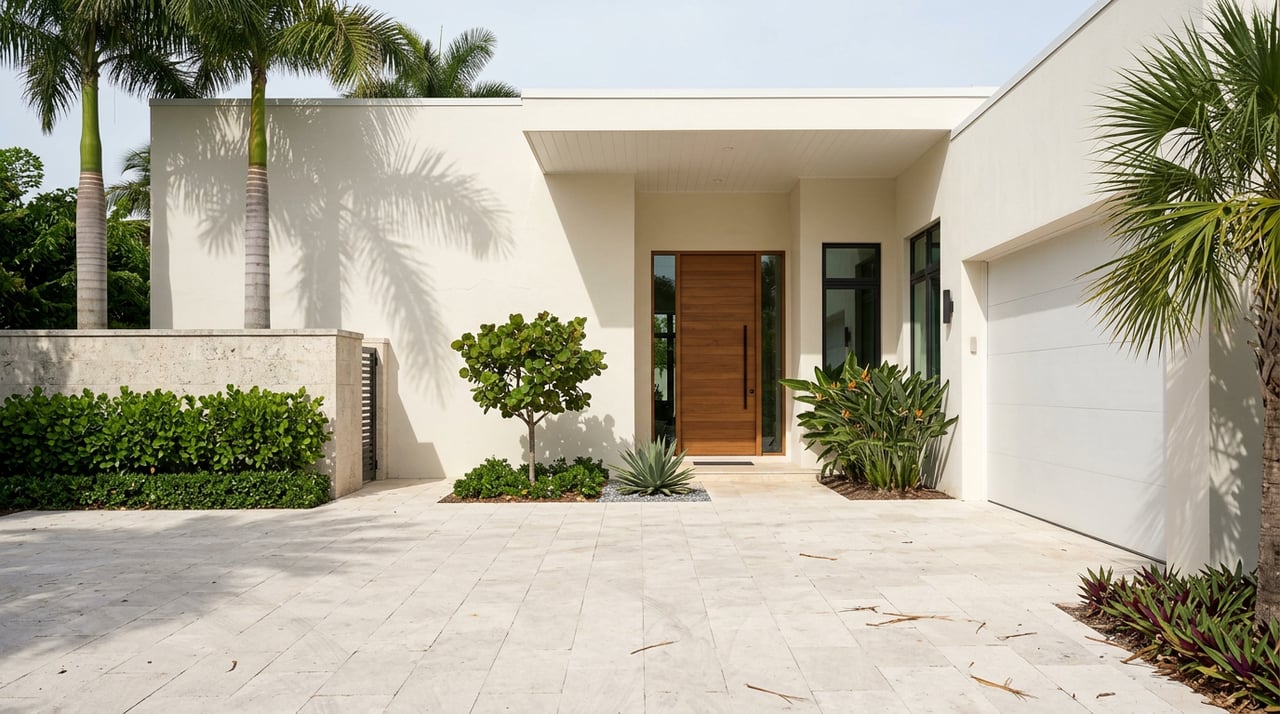
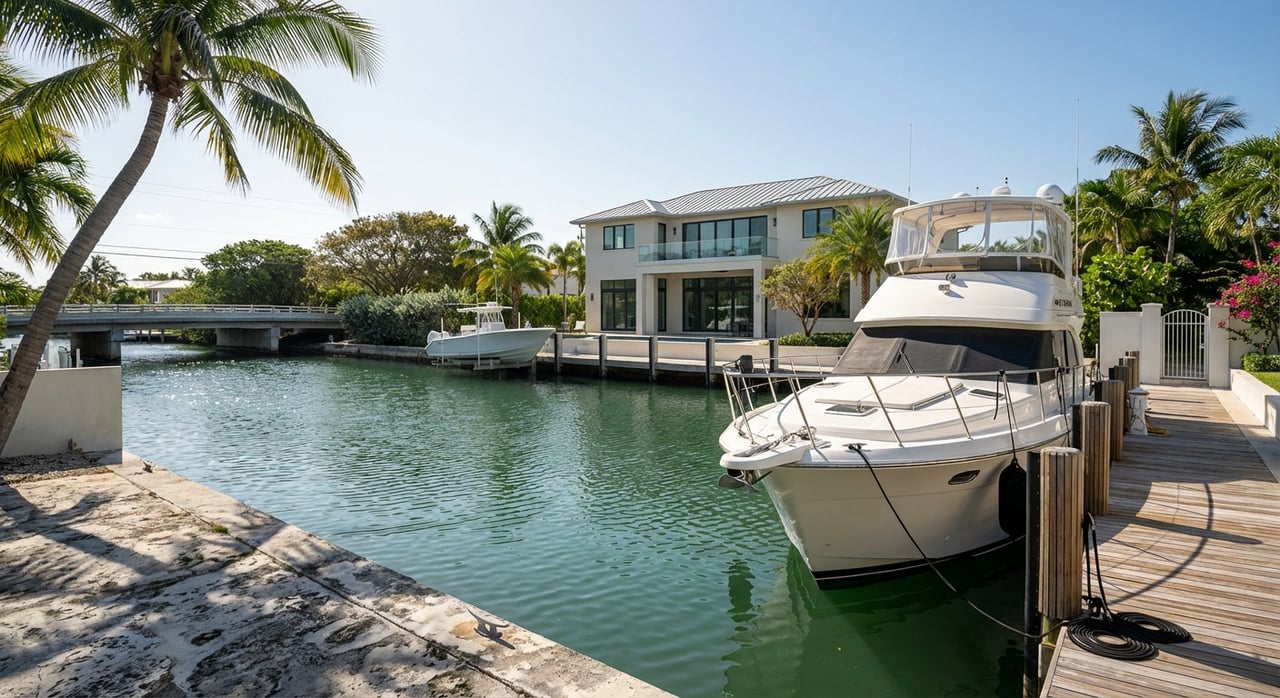

The Singular Mandate
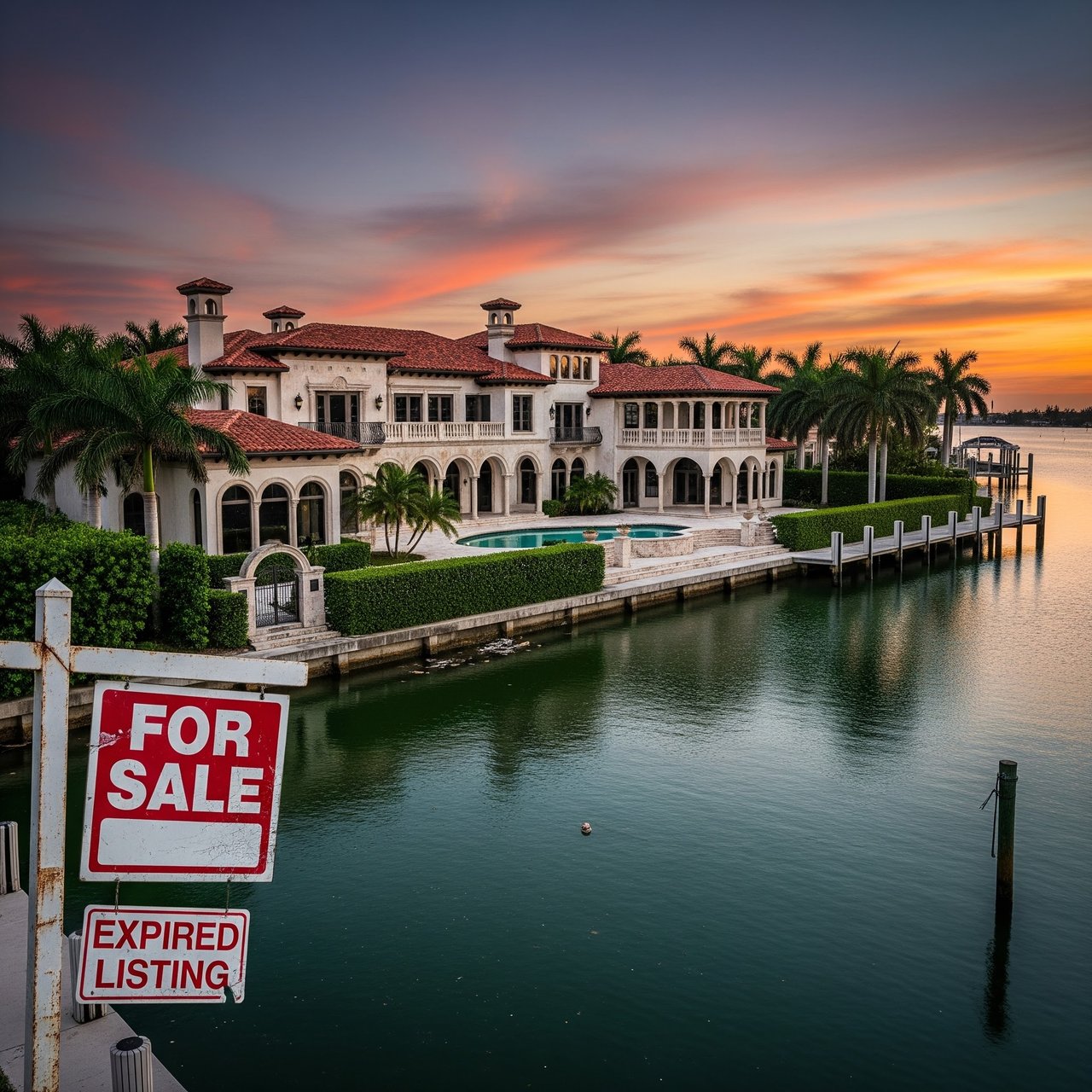
The Expired Asset

Sea Crown Estates
Sea Crown Estates

From Inquiry Through Closing
Specializing in luxury real estate, Sea Crown Estates delivers discreet, white-glove service with curated listings, expert insights, and a bespoke approach tailored to every client’s vision.