1031 Exchange Examples and Strategies for Investors
January 10, 2026
January 10, 2026
1031 Exchange Examples: Real-World Scenarios for Real Estate Investors in 2026
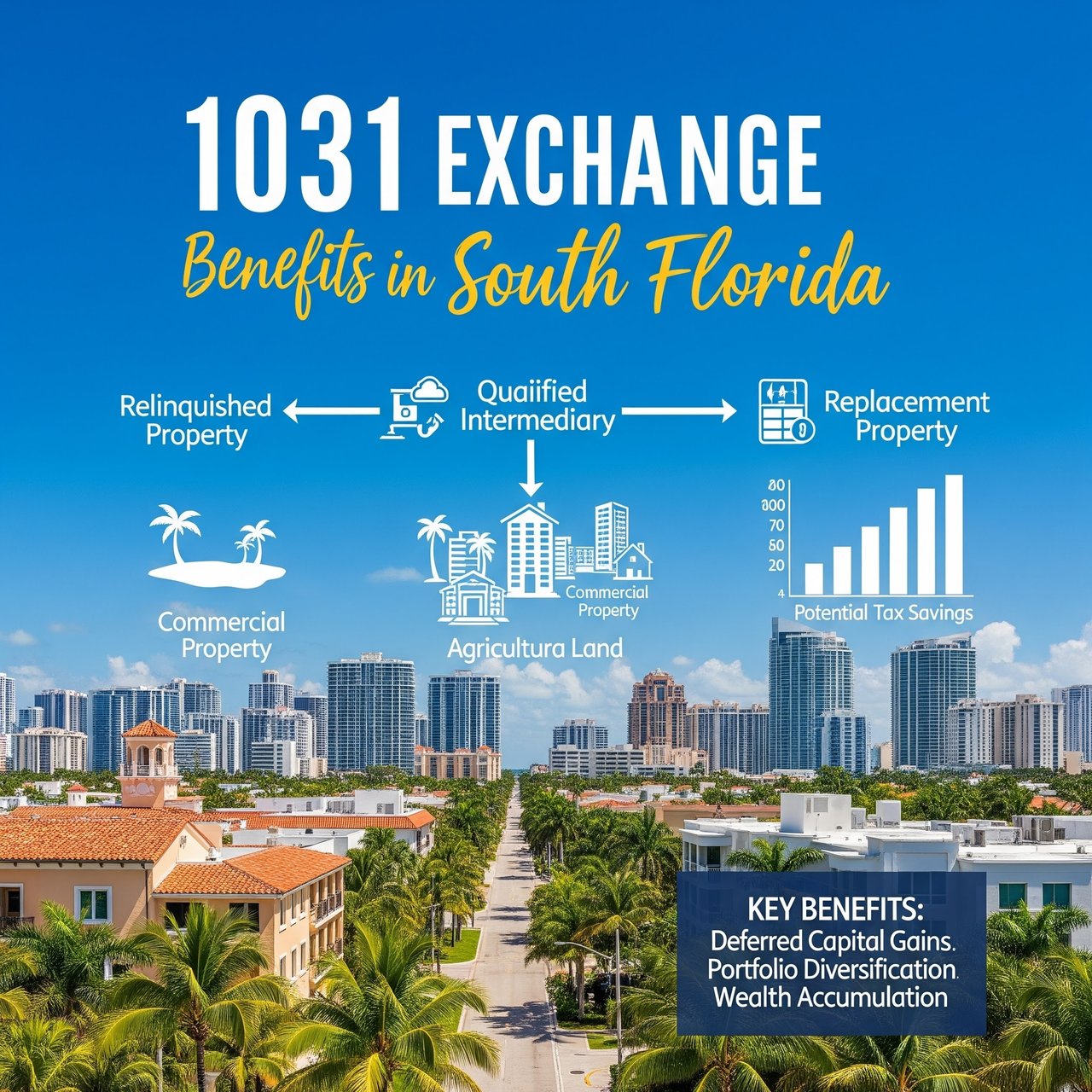
A 1031 exchange (named after Section 1031 of the Internal Revenue Code) allows investors to sell an investment property and defer capital gains taxes by reinvesting the proceeds into a "like-kind" replacement property. This powerful tool—still fully available in 2026—helps build wealth through compounding, diversification, and tax deferral, often indefinitely. Below are common real-world examples illustrating how investors use 1031 exchanges strategically.
One of the most frequent scenarios involves trading up for better cash flow or appreciation potential. Example: An investor sells a single-family rental home bought for $400,000 (now worth $1.2 million) and uses a 1031 exchange to defer ~$280,000 in combined federal and state taxes. They reinvest into a 12-unit apartment building generating higher monthly income (e.g., from $1,800 to $5,400). This upgrade increases cash flow and portfolio scale without immediate tax hits, common in appreciating markets like South Florida or Texas.
Managing several smaller rentals can become burdensome. A 1031 exchange simplifies by consolidating. Example: An investor sells three single-family homes (total proceeds $1.5 million) and exchanges into one 20-unit multifamily complex. This reduces management headaches, boosts economies of scale, and maintains tax deferral. It's popular among aging investors transitioning to passive ownership.
The "like-kind" rule is broad—investors can swap asset classes (e.g., residential to commercial) or geographies. Example: A California investor sells a $3 million commercial property and exchanges into a diversified portfolio: a Dallas office building, Phoenix multifamily, and Austin retail center (often via DSTs). This reduces regional risk, increases income by 40%, and taps faster-growing Sunbelt markets like Florida or Texas.
DSTs are a popular replacement for hands-on investors seeking true passivity. Example: Retirees sell active rentals (e.g., single-family homes or duplexes) and exchange into a portfolio of DSTs—such as stabilized multifamily, net-leased retail, or medical offices. One couple deferred taxes on $3 million+ proceeds, invested in 5 DSTs across 10 states, and shifted to monthly distributions (4–7% yields) with no management. Another investor rolled $1 million from a Seattle apartment into debt-free DSTs for steady income and depreciation benefits.
Not all proceeds need reinvestment—partial exchanges allow flexibility. Example: An investor sells a $1 million townhouse but only reinvests $800,000 into a replacement property. The $200,000 cash ("boot") is taxable, but the rest defers gains. This suits those wanting liquidity while preserving most tax benefits.
For unique timing needs, reverse exchanges acquire the replacement first. Example: An investor identifies a dream commercial lot but sells their current property later. They use a reverse 1031 (via an exchange accommodation titleholder) to buy first, then sell—common for build-to-suit scenarios where new construction is involved.
When partners have differing goals, "drop and swap" dissolves the partnership before the exchange. Example: Two brothers own a rental in a partnership. One wants to cash out; the other continues. They "drop" (distribute) interests, then one sells and exchanges while the other holds—avoiding partnership-level issues.
These examples highlight how 1031 exchanges adapt to goals like upgrading, diversifying, or going passive. In 2026, with strong Sunbelt demand and stable rules, they're ideal for South Florida investors eyeing waterfront legacies. Always consult a qualified intermediary and tax advisor—timelines (45 days to identify, 180 days to close) are strict. Clients trust our Trusted Crown Alliance. At Sea Crown Estates, we help align 1031 strategies with discreet off-market opportunities. Reach out for confidential guidance.
Important Disclaimer Gail Kennell and Sea Crown Estates are licensed Florida real estate brokers, not tax attorneys or CPAs. Nothing in this article constitutes tax or legal advice. All 1031 exchange and Delaware Statutory Trust strategies must be reviewed and approved by your own qualified tax and legal advisors before implementation.
Discreet Horizons is the forensic intelligence arm of Sea Crown Estates. In an era of increasing transparency and shifting coastal codes, we provide the situational awareness required to protect coastal legacies.




The Singular Mandate

The Expired Asset

Sea Crown Estates

Sea Crown Estates

From Inquiry Through Closing

The Sovereign Alternative
Specializing in luxury real estate, Sea Crown Estates delivers discreet, white-glove service with curated listings, expert insights, and a bespoke approach tailored to every client’s vision.