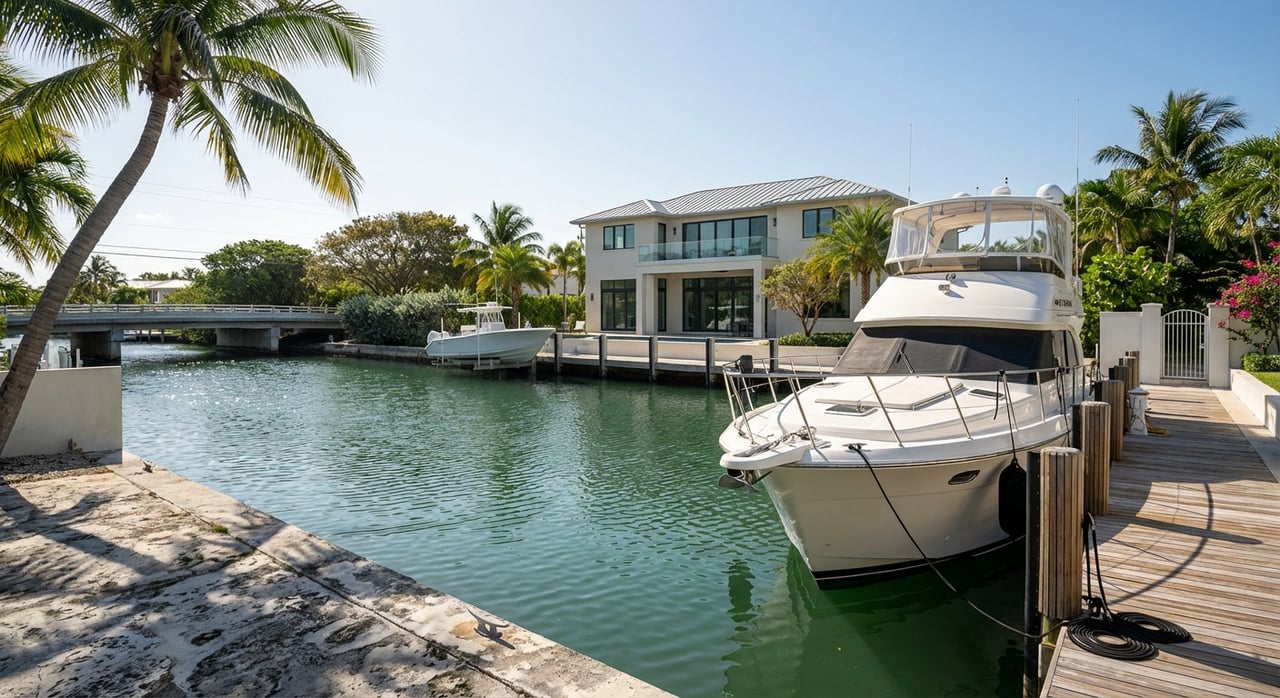
Fort Lauderdale Waterfronts: Yachting Harbors Vs Quiet Canals
February 19, 2026
February 19, 2026
Trying to decide between keeping a serious yacht near the inlet or enjoying a quieter canal where life moves a little slower? Fort Lauderdale gives you both choices, often within minutes of each other. The key is matching your boat and daily routine to the water beneath your dock and the bridges on your route. In this guide, you’ll learn the practical tradeoffs between yachting harbors and quieter canals, how key neighborhoods compare, and the checks to run before you buy. Let’s dive in.
Start with your boating plan. If you want quick ocean runs, crew services, and short transits to the inlet, focus on deep-water routes close to Port Everglades. If you prefer a more residential feel with calmer canals and a bit more privacy, a canal neighborhood away from the marina hubs may be your fit.
Your boat matters. Draft, air draft, and turning radius will decide what is realistic at a given property. Bridge schedules and canal width can add time and complexity. The right choice balances on‑water convenience with the lifestyle you want ashore.
Yachting harbors
Quiet canals
If you want privacy and very short runs to the ocean, this southern barrier‑island enclave delivers. Estate lots often sit on wider canals and turning basins near the Port Everglades entrance, which is maintained for large vessel access. Confirm permitted dock length, lift capacity, and seawall condition before you commit.
These finger islands put you close to downtown dining and the beach. Many properties offer long seawalls with direct routes to the Intracoastal. The tradeoff is interaction with scheduled drawbridges and busier waterways in peak times.
This is Fort Lauderdale’s east‑side marina hub with transient slips and superyacht infrastructure. If you prefer a full‑service slip with resort amenities rather than keeping the boat at your private dock, this corridor is ideal. Bahia Mar Yachting Center hosts major events and offers large‑vessel capabilities.
Close to downtown, these river‑adjacent areas offer tree‑lined streets and character homes. Docks vary widely by lot, and some routes are tighter for large yachts. Many residents use these canals for runabouts and mid‑size boats with easy access to city amenities.
These northern neighborhoods read more residential and calm. You can still enjoy private dockage, yet daily life feels less urban than the Las Olas corridor. Expect a longer run to the inlet and more bridge planning.
For larger yachts, Port Everglades is the deep‑water gateway. The federally maintained entrance and inner channels are authorized in the low‑40s of feet, with recent Corps documentation citing an entrance near 45 feet and inside areas near 42 feet. Review the latest project notes from the U.S. Army Corps of Engineers for authoritative depth information.
The Intracoastal Waterway segments around Fort Lauderdale have seen targeted deepening to improve yacht access. Work completed in the 2016–2017 period aimed for a roughly 15‑foot controlling depth in stretches near Port Everglades. For your exact route, confirm current controlling depths and any maintenance updates, and build in a safety margin above your draft. See the project background from Cashman Dredging.
Bridges shape your day. Local fixed and bascule spans have published clearances, and drawbridge openings operate by federal schedule. You can review operating intervals in 33 CFR §117.261 and consult local bridge clearances, such as examples commonly cited for Las Olas Boulevard and SE 17th Street, using established guides like FtLauderdaleBoating.com’s bridge list. Always verify the datum used since Mean High Water is the conservative reference.
On the day you move, conditions matter. Port Everglades supports a NOAA PORTS feed with real‑time tides, currents, and winds that can influence marginal clearances and inlet comfort. Use the county’s link to the program to plan your run with current PORTS data.
For added nuance, experienced captains also reference Coast Pilot guidance for local cautions and patterns. You can preview relevant material in this Coast Pilot 4 excerpt when you prepare.
If you plan to rebuild a seawall, add a lift, or adjust a dock, expect layered approvals. Local building permits, state environmental reviews, and in some cases federal authorization may apply. Florida water resource statutes and related rules set the framework for what is allowed and how. Use Chapter 373 as a starting point when discussing scope with your contractor and counsel. Review the state’s overview here: Florida Statutes, Chapter 373.
Before you close, request any existing dock and seawall records, including permits, as‑built plans, and recent inspections. If structures are older, bring in a marine structural engineer or reputable dock contractor. For lifts, confirm weight ratings and installation approvals.
Work through these steps for every waterfront listing you consider:
Choose yachting harbors if you:
Choose quiet canals if you:
Every great waterfront story begins with the right route, the right dock, and the right neighborhood. If you want a tailored shortlist and a clear plan for bridge, depth, and permits, connect with Gail Kennell for a private consultation and local guidance.
Discreet Horizons is the forensic intelligence arm of Sea Crown Estates. In an era of increasing transparency and shifting coastal codes, we provide the situational awareness required to protect coastal legacies.

The Singular Mandate
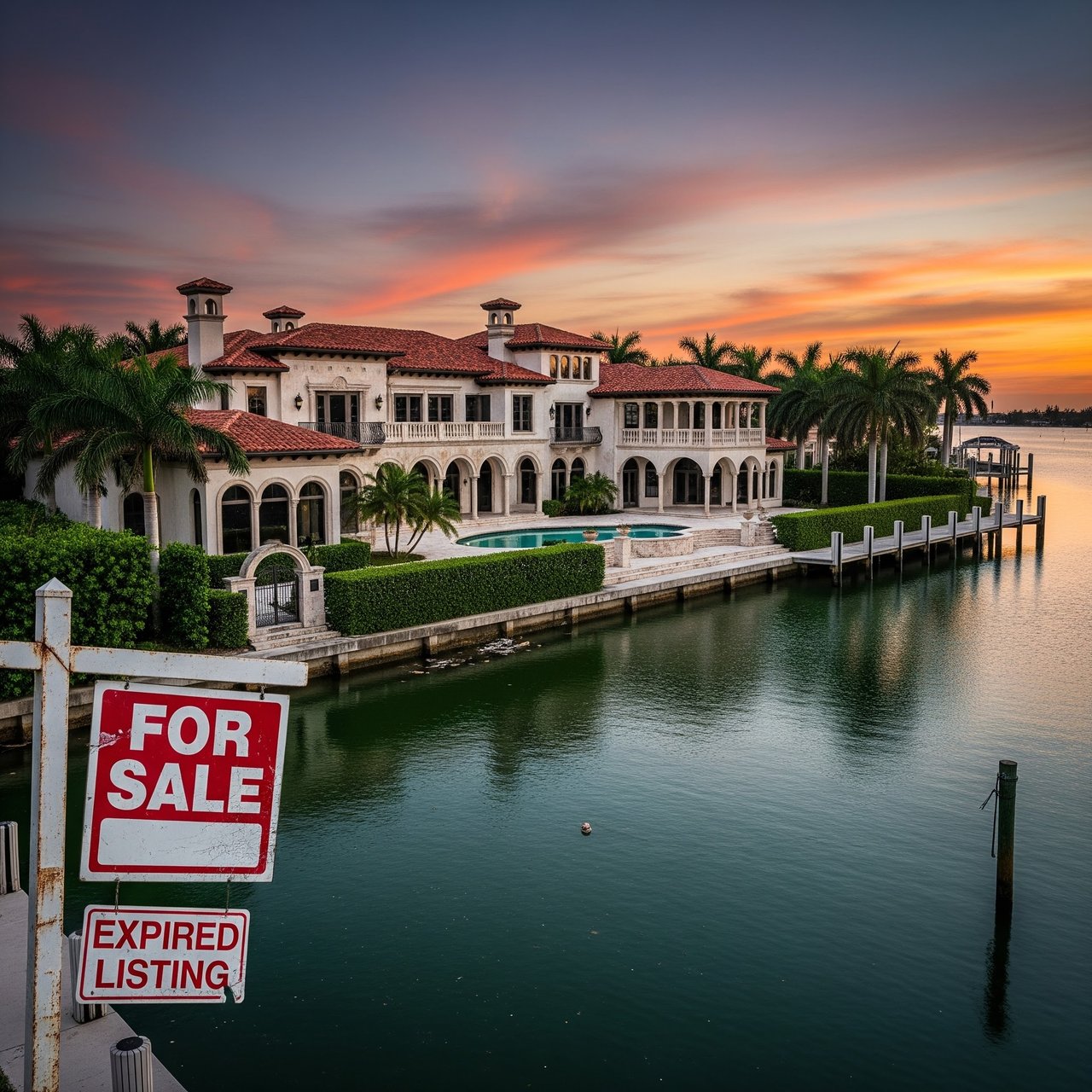
The Expired Asset

Sea Crown Estates
Specializing in luxury real estate, Sea Crown Estates delivers discreet, white-glove service with curated listings, expert insights, and a bespoke approach tailored to every client’s vision.