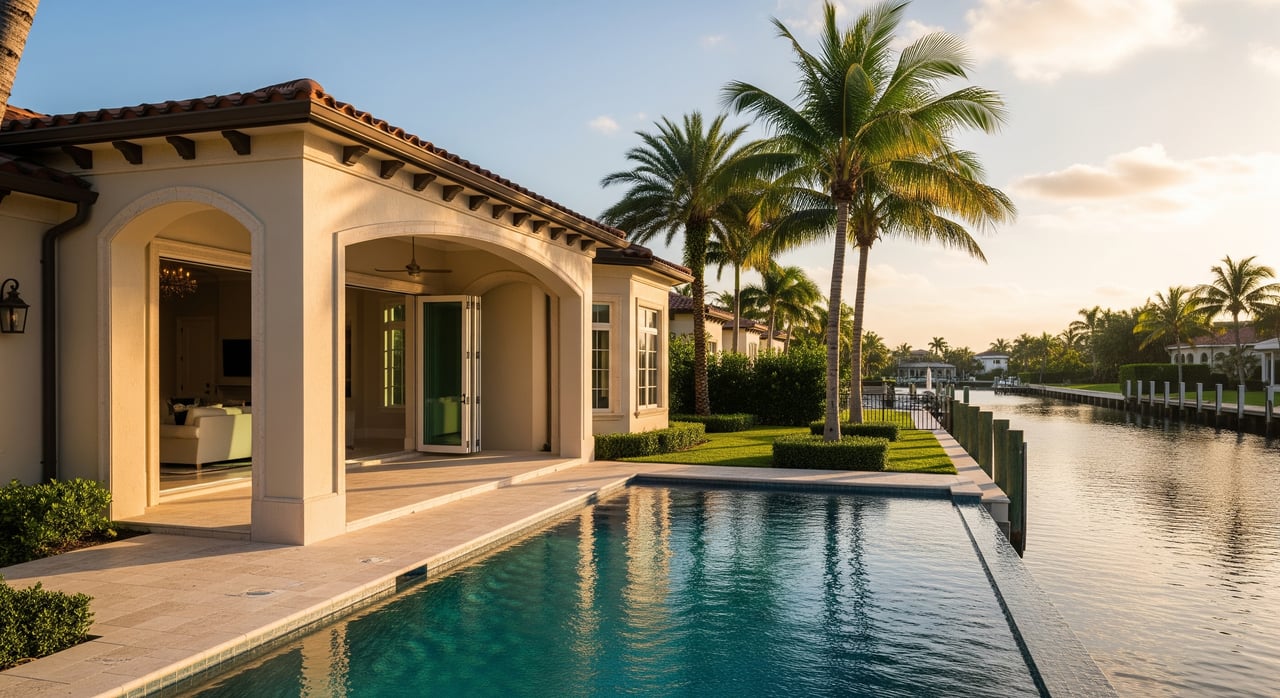
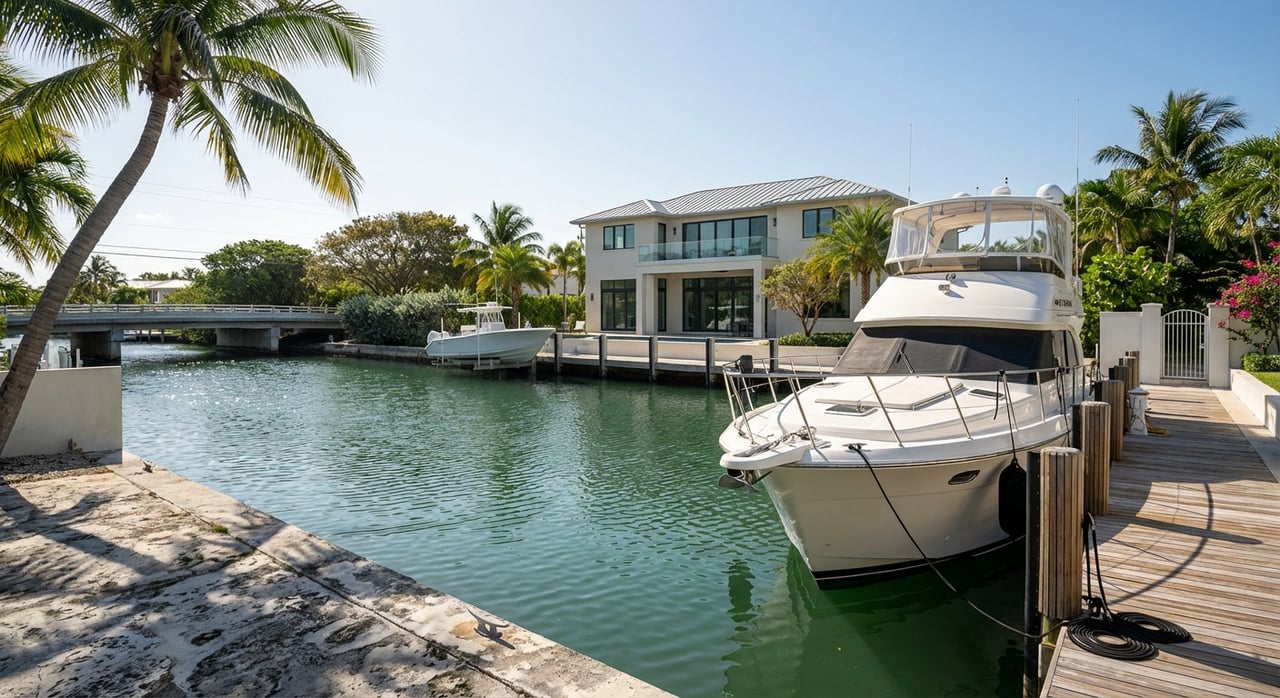
Staring at a list of Boca Raton “comps” and not sure what they mean for your price? You are not alone. Luxury sales have unique features that simple averages can miss, especially on the water. In this guide, you will learn how to read high-end comps the way seasoned pros do, so you can price, negotiate, or buy with confidence. Let’s dive in.
What a luxury comp really is
A comp is a recently sold home that is similar in location and features to your property. In luxury, “similar” means more than beds, baths, and square footage. You also look at waterfront type, lot width, dock utility, renovation caliber, and club proximity.
The sales-comparison approach is the standard. You study several recent sales, then adjust each one for differences. Adjustments can be dollar amounts or percentages. The goal is a tight, supportable value range, not a single magic number.
Boca Raton factors that move value
Luxury buyers in Boca Raton pay careful attention to a handful of features. Understanding these helps you translate a comp into a number you can use.
Ocean access and waterfront type
Waterfront is not one-size-fits-all. Direct oceanfront, Intracoastal, and canal-front properties perform differently. Bridge clearance, channel depth, and time to the inlet all matter. Deepwater with quick ocean access typically commands a premium over shallow or restricted canals.
- What to collect: water type, bridge clearance, depth at low tide, distance to open ocean, seawall age and condition, and elevation.
- How to adjust: use paired sales where the key difference is access, or analyze price per water front foot for true waterfront. Note that limited access or low clearance can reduce value.
Lot width and configuration
Wider lots feel more private, improve outdoor layouts, and increase water frontage on canals. They can also expand the buildable envelope.
- What to collect: water and street frontage, lot depth, total square footage, zoning and setbacks, and easements.
- How to adjust: for waterfront, analyze price per front foot and adjust for frontage differences. For interior lots, look at price per land square foot and how width affects usable outdoor space.
Dock length and marine utility
Dock capacity limits the size and type of boat you can keep at home. In Boca Raton, that often swings buyer decisions.
- What to collect: total usable dock length, lift presence and capacity, slips, depth at low tide, seawall condition, recent marine survey, and permit status.
- How to adjust: pair a sale with a functional, permitted dock against one without, then reflect the difference. When needed, use a contributory cost approach that considers replacement or upgrade costs for docks and seawalls.
Renovation caliber and systems
Turnkey quality matters. Buyers want finished kitchens and baths, efficient layouts, and updated mechanicals.
- What to collect: year and scope of last renovation, permit history, appliance and material quality, roof, HVAC, electrical, and floor plan efficiency.
- How to adjust: classify homes into condition tiers, then measure tier-to-tier differences from recent sales. You can cross-check typical project value contribution using national benchmarks like the Remodeling Cost vs. Value report. See the latest cost-to-value trends in the Remodeling report for context on upgrades and payback.
Club proximity and amenities
Being near or within a private club can add perceived value for many buyers. Fees, membership transfer rules, and gated access also influence the competitive set.
- What to collect: distance to club, membership terms, whether membership is required or optional, HOA fees, and security features.
- How to adjust: compare sales inside and outside the same club catchment. Reflect membership value as a lump sum or as a modest premium if the market shows it.
Local constraints that shape value
Flood zones, permits, and coastal rules impact both desirability and cost of ownership. These show up in price.
- Flood risk: Check FEMA flood maps to understand flood zones, elevation, and insurance exposure. Buyers often weigh higher premiums and mitigation costs when making offers. Review the FEMA Flood Map Service Center for current mapping and elevation data.
- Seawalls and docks: Permits, maintenance, and condition affect value. Explore Palm Beach County Environmental Resources Management for coastal guidance and permitting context, and the Florida Department of Environmental Protection for state-level coastal permits.
- Records and sales history: Verify parcel data, prior sales, and building details with the Palm Beach County Property Appraiser. Reliable records support your adjustment logic.
A simple, step-by-step way to read comps
Use this framework to go from raw sales to a focused value range.
- Define the competitive set
- Match neighborhood, waterfront type, and likely buyer profile. Separate direct oceanfront, Intracoastal, canal, and inland luxury communities.
- Pull recent closed sales
- Aim for the past 6 to 12 months. If inventory is thin, widen the time window while noting market shifts.
- Normalize the basics
- Align gross living area, bed and bath count, and effective age. Be sure you are comparing like with like.
- Spot the key differences
- In Boca Raton, focus on ocean access, lot frontage, dock utility, renovation tier, club proximity, and flood or elevation status.
- Derive adjustments with evidence
- Prefer paired sales inside the same micro-market. If those are scarce, use contributory cost for docks, seawalls, and system upgrades, plus careful market-percent adjustments supported by multiple sales.
- Adjust for time and conditions
- Account for seasonality and trend direction. If the market shifted between a comp’s closing date and today, apply a time adjustment.
- Reconcile into a range
- Convert adjusted comps into a price per square foot or total value indication. Weight the best matches more heavily and settle on a range.
- Screen for non-market influences
- Note seller concessions, personal property included in the sale, estate or related-party transfers, and club memberships bundled into the price.
- Order specialist inspections when needed
- For waterfront, a marine survey and a look at seawall condition can be material. Verify flood elevation certificates. Bring in structural and roof experts as needed.
- Document your rationale
- Keep a clear record of how you derived each adjustment. Appraisers are required to do this under USPAP, and it helps you defend your pricing. For appraisal standards and process context, review The Appraisal Foundation’s USPAP resources.
How to turn features into numbers
Here is how you can translate a feature into a practical comp adjustment.
- Ocean access premium: Compare sales where the primary difference is ocean access or water type. Use price per front foot for direct water frontage when the data supports it.
- Dock and seawall differences: Start with the cost to repair or replace. If a marine survey suggests near-term replacement, reflect that cost as a negative adjustment on otherwise similar comps.
- Renovation tier shift: Measure the difference between turnkey homes and dated homes in the same area. Cross-check with Remodeling Cost vs. Value benchmarks, then calibrate for local luxury finishes.
- Lot width and frontage: On waterfront, rely on front-foot analysis. Inside gated or club neighborhoods, consider how width changes utility and privacy, not just land square footage.
- Club proximity and fees: If a membership conveys, capture the upfront value or observed market premium. If fees are high and membership is required, some buyers will discount for recurring costs.
Pitfalls to avoid
Even careful readers of comps can fall into these traps.
- Treating all waterfront as equal. Bridge restrictions, shallow canals, and long runs to the inlet can reduce buyer interest.
- Ignoring flood and permitting. Insurance costs, elevation status, and unpermitted marine structures can erode value.
- Relying on AVMs for unique homes. Automated models struggle with custom waterfront and club properties. Use human analysis and documented adjustments.
- Overreaching on thin data. In a low-inventory luxury market, expand your search thoughtfully and disclose uncertainty. A range is honest and defensible.
When to bring in the pros
You can do a disciplined first pass using this guide. When it is time to set a list price, make an offer, or support financing, consider a licensed appraisal. For waterfront specifics, schedule a marine survey, confirm permits, and review flood elevation data.
- Parcel and sale verification: Use the Palm Beach County Property Appraiser to check records and historical sales.
- Flood risk review: Check the FEMA Flood Map Service Center for zones and base flood elevations.
- Coastal and dock guidance: Review Palm Beach County Environmental Resources Management and the Florida Department of Environmental Protection for permitting context.
- Appraisal standards: See The Appraisal Foundation for USPAP guidance on how appraisers document comps and adjustments.
Ready to read Boca Raton luxury comps with clarity? Use the steps above to build a clean, evidence-based value range that fits your specific waterfront type, lot, and renovation level. If you want a calm, confidential conversation about your options, connect with Gail Kennell.
FAQs
What is a “luxury comp” in Boca Raton?
- A luxury comp is a recent sale that closely matches your home’s waterfront type, lot width, dock capacity, renovation tier, and club proximity, not just beds, baths, and size.
How do I adjust for ocean access versus canal-front?
- Compare recent sales where access is the main difference, then reflect the observed premium or discount, often supported by price per front foot for true waterfront.
How do docks and seawalls affect price?
- Treat usable, permitted dockage as a positive feature and subtract estimated repair or replacement costs for aging docks or seawalls, supported by a marine survey when possible.
How should I value a top-tier renovation?
- Sort homes into condition tiers and measure the price gap between tiers using recent sales, then cross-check with Remodeling Cost vs. Value benchmarks for added confidence.
When should I get an appraisal instead of a broker CMA?
- Use a CMA for initial pricing strategy. Order a licensed appraisal for lending, estate, or when a defensible, documented valuation is needed; check USPAP guidance for standards.