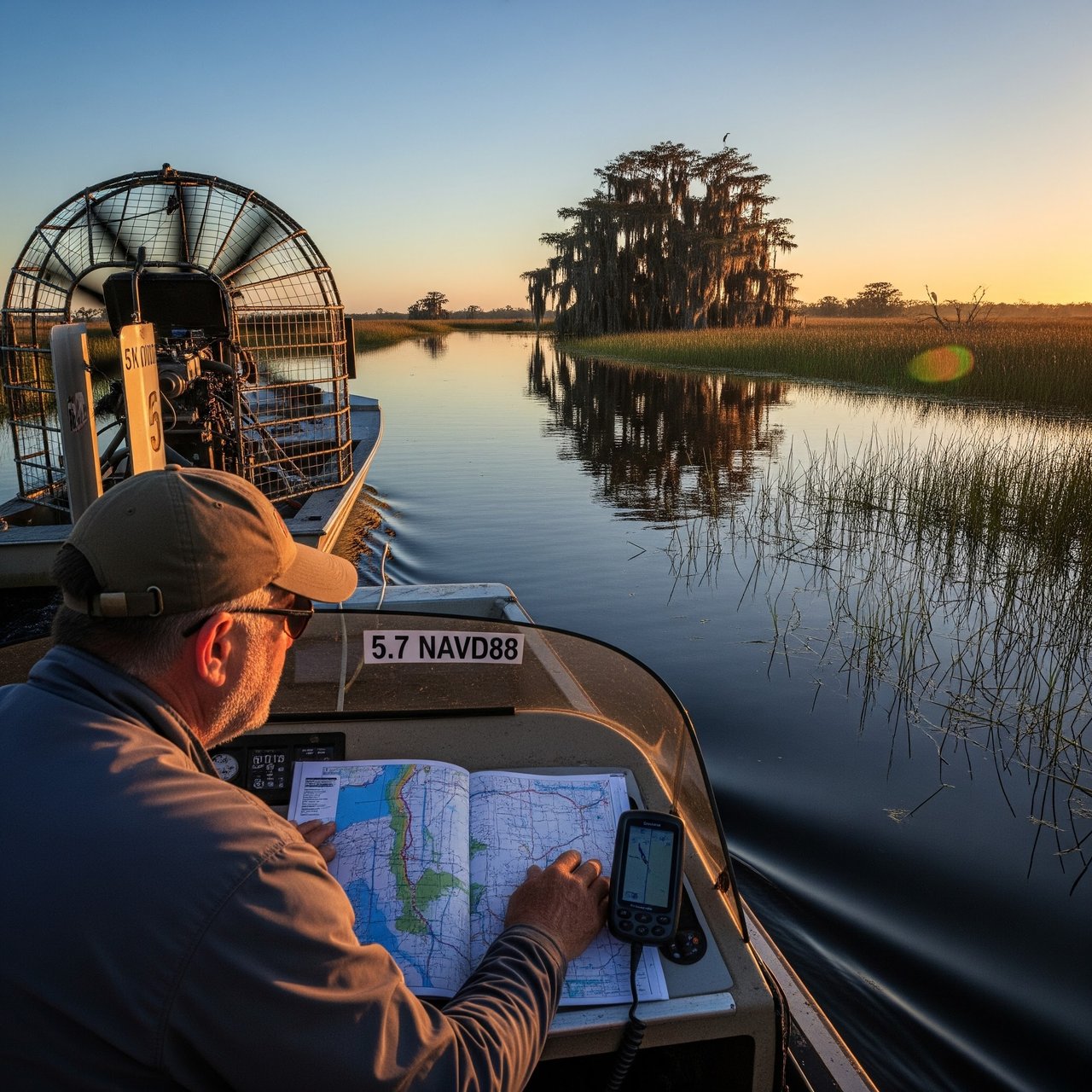
Infrastructure Debt - Navigating the 5.7 Foot NAVD88
January 12, 2026
January 12, 2026
In the South Florida luxury market of 2026, the most critical number for a waterfront principal is no longer the price per square foot—it is 5.7 feet NAVD88.
As regional municipalities across Miami-Dade, Broward, and Palm Beach counties move into the full enforcement phase of the unified coastal resilience standards, the "5.7 Standard" has become the definitive line between a secured legacy and a depreciating liability. For the ultra-high-net-worth (UHNW) investor, understanding this mandate is no longer optional; it is the cornerstone of Pillar III: Coastal Estate Engineering.
The mandate is simple in theory but surgical in its application: All new or "substantially improved" seawalls must be constructed to a minimum elevation of 5.7 feet NAVD88 (North American Vertical Datum of 1988).
The danger for the unsuspecting buyer lies in the definition of "substantial." In most jurisdictions, a substantial improvement is triggered if:
Repair Costs: The cost of repairs exceeds $500 per linear foot.
Home Renovation: The property itself undergoes a renovation exceeding 50% of its market value.
Tidal Overtopping: The existing wall allows water to flow onto adjacent properties or public right-of-ways—now classified as a Public Nuisance.
If any of these triggers are met, a legacy wall sitting at 3.5 or 4.0 feet cannot simply be patched. It must be razed and replaced with a 5.7-foot-compliant barrier.
Many properties currently hitting the public market are being divested precisely because they carry Infrastructure Debt. A seller may be aware that their seawall is nearing its structural expiration or that a planned home renovation will trigger a mandatory $250,000+ seawall reconstruction.
Standard luxury brokers often overlook this, focusing on the aesthetic of the dock or the view of the Intracoastal. At Sea Crown Estates, we view an unfortified seawall as a lien against the future value of the asset.
Constructing a 5.7-foot wall is not merely about adding height. In 2026, the engineering requirements are forensic:
Hydrostatic Pressure: A taller wall must withstand significantly higher water pressure from behind (landside) and wave impact from the front (waterside). This often requires deeper pilings and more robust "deadman" anchoring systems.
The 4.0/5.7 Bridge: Some municipalities allow a 4.0-foot minimum today only if the engineering report proves the base is capable of being raised to 5.7 feet in the future without a total rebuild.
Flood Trespass Liability: Under the 2026 code, if your neighbor raises their wall to 5.7 feet and yours remains at 4.0 feet, the resulting "funnel effect" of tidal water onto your property is your liability.
Through The Vault, we vet every coastal asset against these engineering realities before they are presented to our principals. We analyze the 2050 Adaptation Gap: Does this property have the structural "bones" to meet future mandates, or is it a tear-down in disguise?
For the 2026 buyer, the "5.7 Standard" is a gift of clarity. It has effectively sorted the market into two categories: assets that are engineered for the future, and those that are being reclaimed by the tide.
For a Confidential Strategic Briefing
Authority. Discretion. Integrity. Secure your horizon.
Discreet Horizons is the forensic intelligence arm of Sea Crown Estates. In an era of increasing transparency and shifting coastal codes, we provide the situational awareness required to protect coastal legacies.
The Singular Mandate
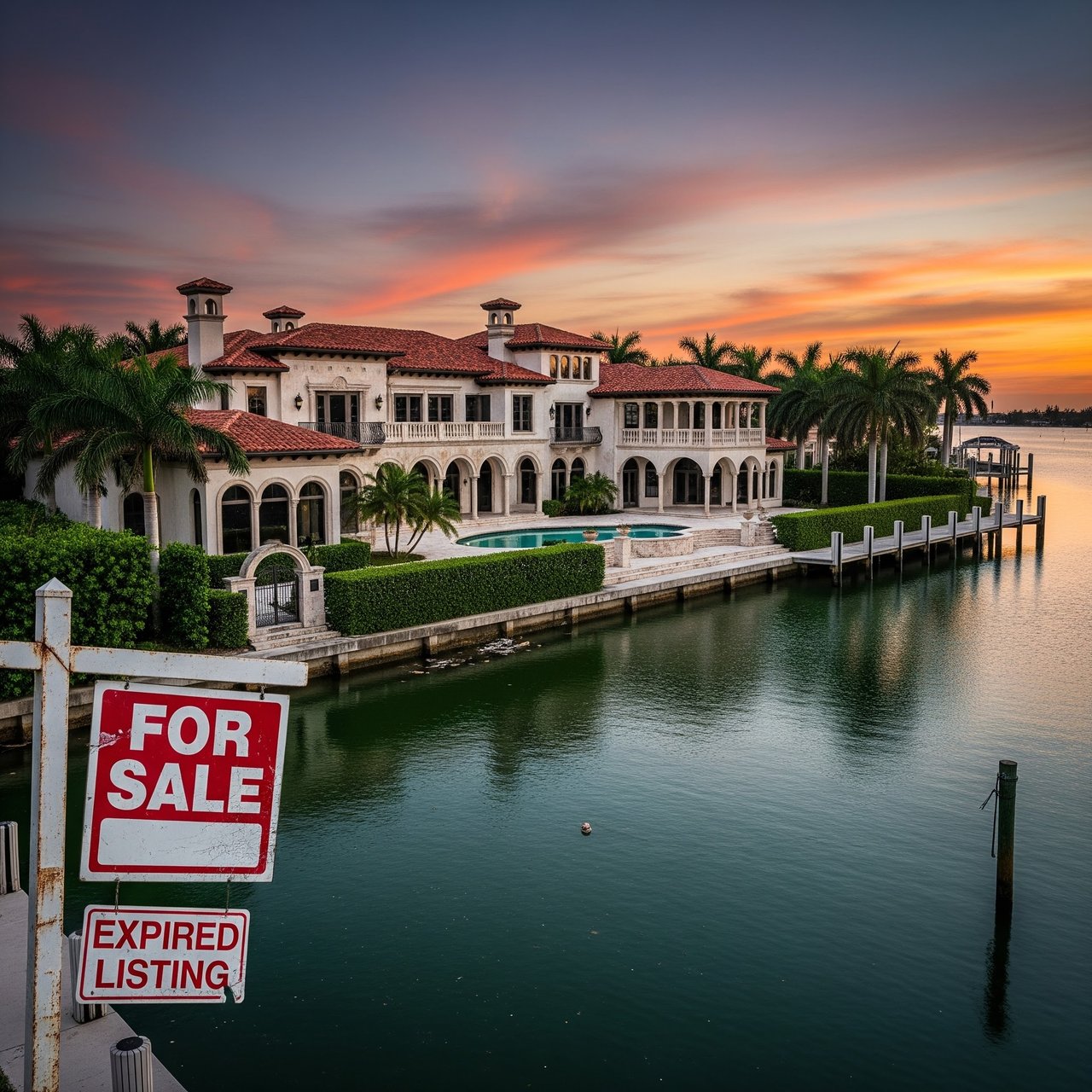
The Expired Asset

Sea Crown Estates
Sea Crown Estates

From Inquiry Through Closing

The Sovereign Alternative
Specializing in luxury real estate, Sea Crown Estates delivers discreet, white-glove service with curated listings, expert insights, and a bespoke approach tailored to every client’s vision.