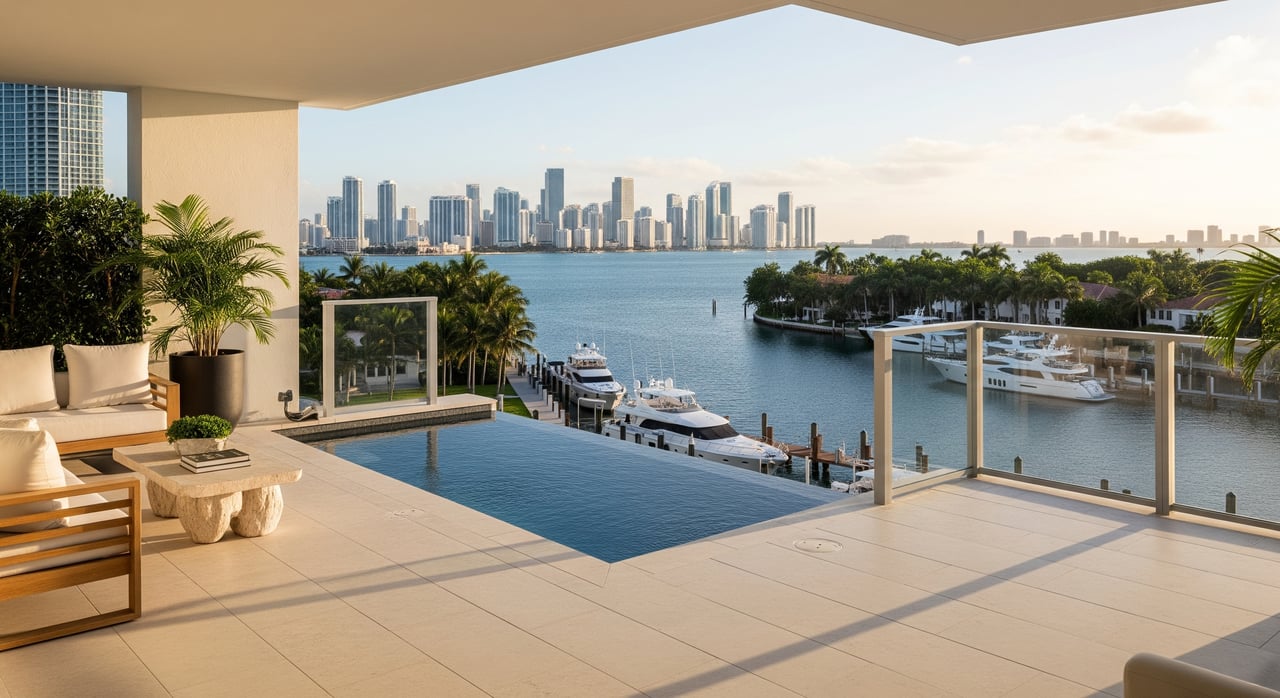
Miami vs Fort Lauderdale: Which Waterfront Lifestyle Fits You?
January 1, 2026
January 1, 2026
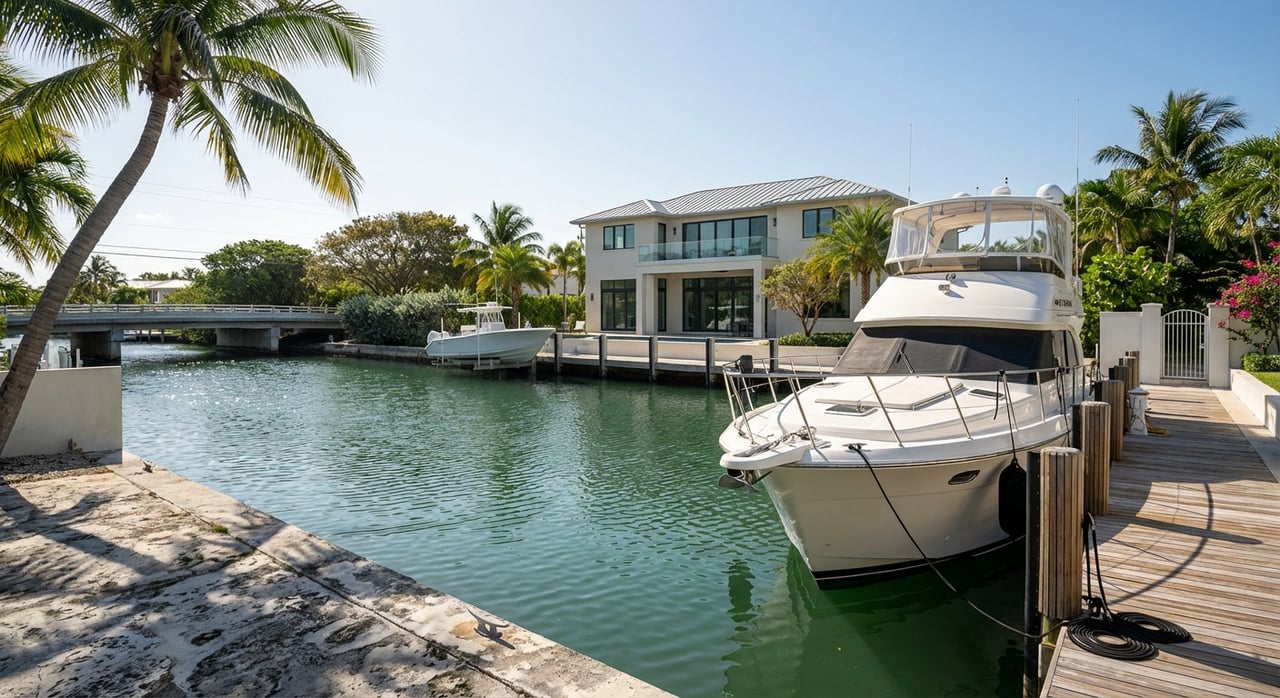
Do you picture waking up to a glittering skyline and a marina downstairs, or a quiet canal with your boat on a private dock out back? Choosing between Miami and Fort Lauderdale comes down to how you want to live on the water day to day. You want great boating, a home that fits your lifestyle, and practical costs you can plan for. This guide compares access, property types, neighborhood feel, culture, and key buying steps so you can decide with confidence. Let’s dive in.
If quick Atlantic access tops your list, both cities deliver, but routes differ.
Bottom line: Frequent offshore anglers and Bahamas cruisers should prioritize proximity to Government Cut in Miami or Port Everglades in Fort Lauderdale to save time and fuel.
Miami and Fort Lauderdale both host extensive marina networks and superyacht services. Fort Lauderdale is widely known as a major yachting hub with clustered shipyards, refit facilities, and provisioning. Miami offers urban marinas close to business, dining, and culture, along with seasonal boat shows and superyacht berths. If you own or plan to buy a large yacht, verify marina length overall and draft capabilities before you purchase a home or slip.
You’ll find several slip options in both markets:
Deeded docks offer the most control and typically command a premium. Fees for slips, fuel, pumpouts, and maintenance vary by location and amenities. High‑amenity basins in urban Miami and prime Fort Lauderdale marinas generally carry higher costs.
You’ll feel connected to a true boating community in either city. Fort Lauderdale hosts a flagship international boat show each October and maintains a strong local sportfishing and yachting scene. Miami blends sportfishing, charter activity, and luxury services with major winter boating events. Your ideal fit depends on whether you favor a marina‑town rhythm or a city lifestyle that happens to be anchored by the water.
Miami’s waterfront leans toward high‑rise living along Miami Beach, Brickell, and the urban core, with luxury towers that often include concierge services and marina access. You will also find select single‑family bayfront estates in areas like Coconut Grove, Coral Gables, and Key Biscayne. Due to international demand and amenity‑rich new development, per‑square‑foot pricing in prime Miami Beach and Brickell tends to sit at the top of the South Florida market. Waterfront condos frequently start in the high six figures and range into many millions depending on building, views, and dock access.
Fort Lauderdale offers a higher share of single‑family canal and Intracoastal homes with private docks, plus estate‑scale properties in guard‑gate enclaves and smaller boutique condo options. Many buyers find more interior space, yard, and dockage for the dollar compared with comparable Miami addresses. That said, premier enclaves like Harbor Beach and Hillsboro Mile can match or exceed Miami pricing for trophy estates. As with Miami, waterfront homes span from the upper six figures into the multi‑million range depending on location, depth, and lot characteristics.
Short‑term rental demand is strong across both markets, with regulations varying by municipality and building. Miami includes areas with stricter short‑term rules, while Fort Lauderdale applies registration and zoning controls in defined districts. If rental income is part of your plan, confirm city ordinances and association bylaws early. Liquidity can be strong at the high end in Miami given its global buyer base; Fort Lauderdale draws a deep pool of boating‑oriented and domestic buyers.
Miami is urban, international, and fast‑moving, with high‑rise corridors in Brickell and Downtown and design‑forward towers on Miami Beach. You’ll see Art Deco, MiMo, and contemporary glass towers alongside modern waterfront estates. Cultural energy runs year‑round with major art events, museums, and a global dining scene.
Fort Lauderdale feels more like a marina town with low‑rise streetscapes, canal‑lined neighborhoods, and a relaxed pace. Architectural styles range from Mediterranean Revival and midcentury ranch to contemporary waterfront builds. Las Olas Boulevard anchors walkable dining and retail, and the yachting community is woven into daily life.
Expect an international dining scene with strong Latin American and Caribbean influences, fine‑dining standouts, and lively nightlife. Cultural programming is robust, from art fairs to museum exhibits. Recreation spans beaches, parks, and high‑end shopping paired with major sporting events.
Dining concentrates along Las Olas and the beachfront, with casual seafood spots and elevated options side by side. Arts and events tend to be boutique and neighborhood‑scale. Boating and fishing anchor the city’s recreation, with Intracoastal cruising and nearby beaches shaping everyday leisure.
Waterfront living is about lifestyle and logistics. Use this checklist to move forward with clarity.
Use these quick profiles to align your priorities with place.
If you would like a measured, lifestyle‑first discussion about how your goals align with Miami or Fort Lauderdale waterfront living, connect with a trusted advisor who understands second‑home and investor needs. Reach out to Gail Kennell for a conversation in confidence.
Discreet Horizons is the forensic intelligence arm of Sea Crown Estates. In an era of increasing transparency and shifting coastal codes, we provide the situational awareness required to protect coastal legacies.
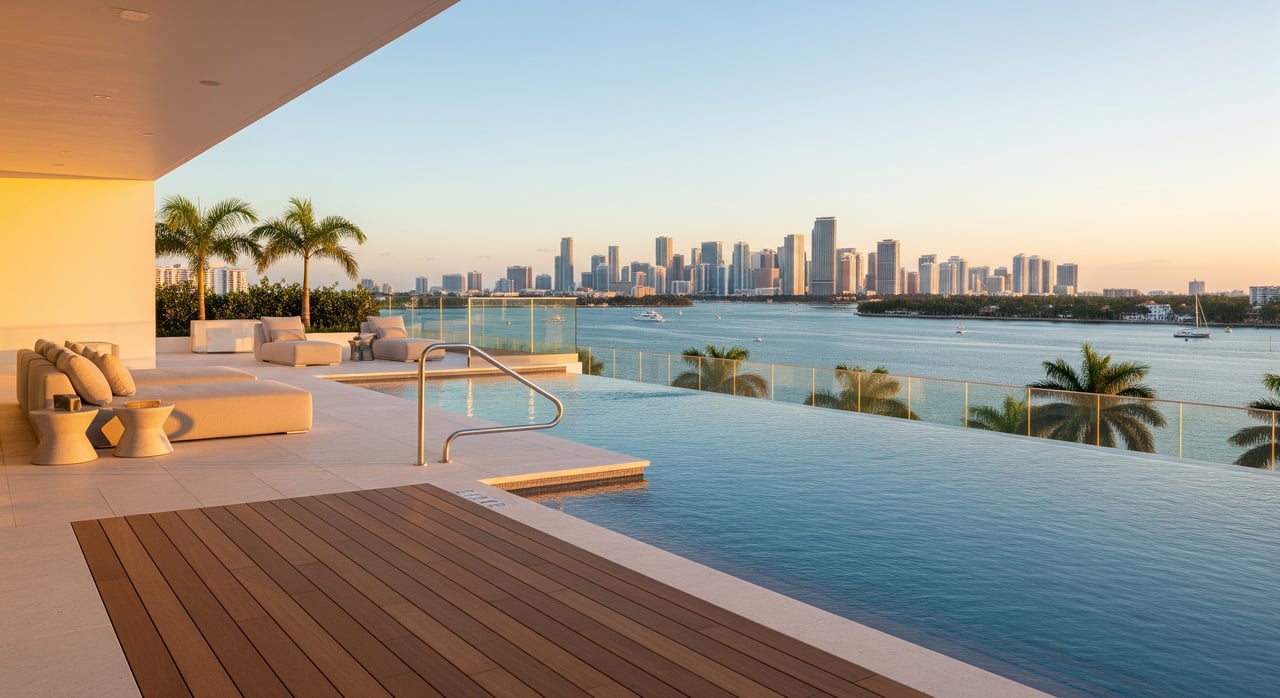


The Singular Mandate
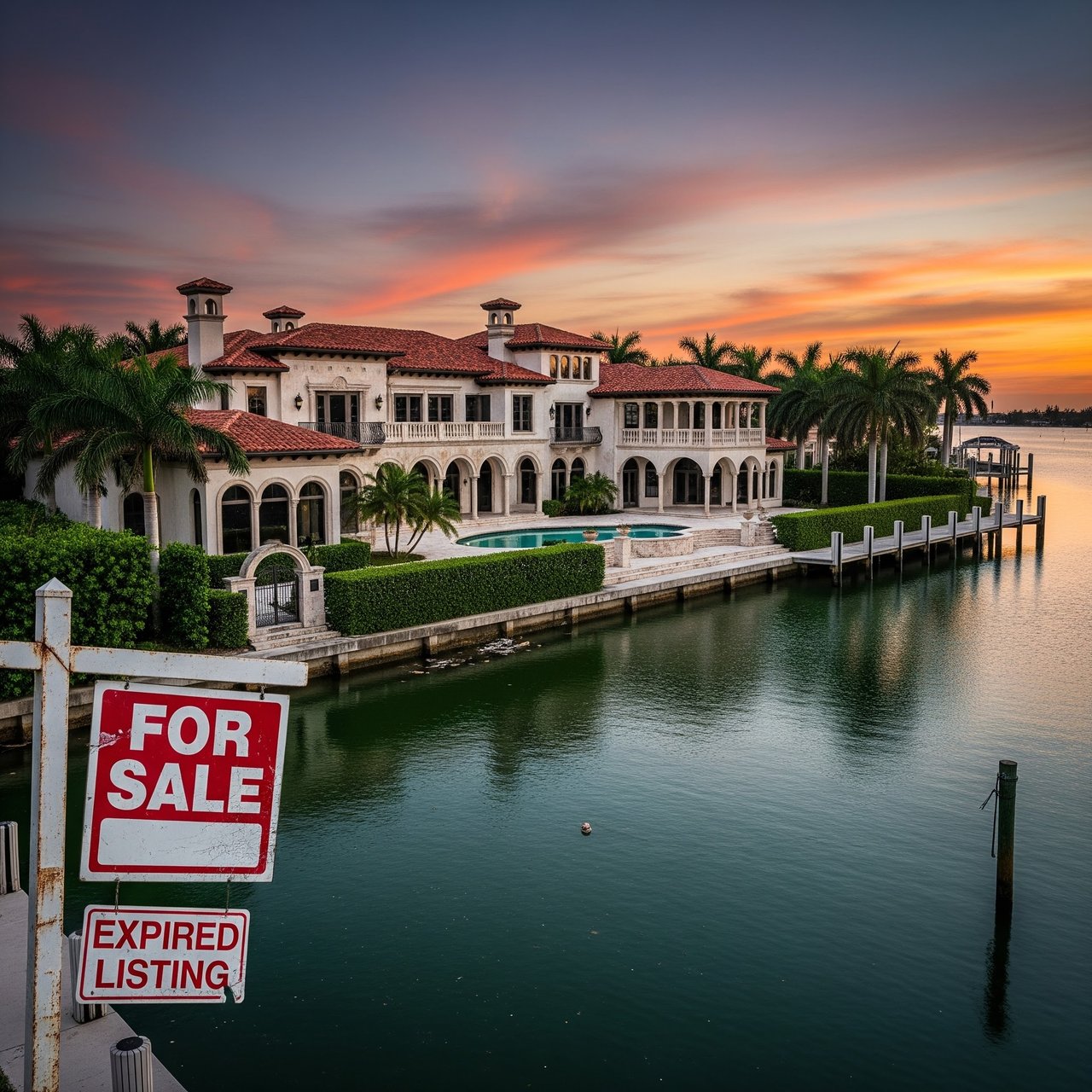
The Expired Asset

Sea Crown Estates
Sea Crown Estates

From Inquiry Through Closing
The Sovereign Alternative
Specializing in luxury real estate, Sea Crown Estates delivers discreet, white-glove service with curated listings, expert insights, and a bespoke approach tailored to every client’s vision.