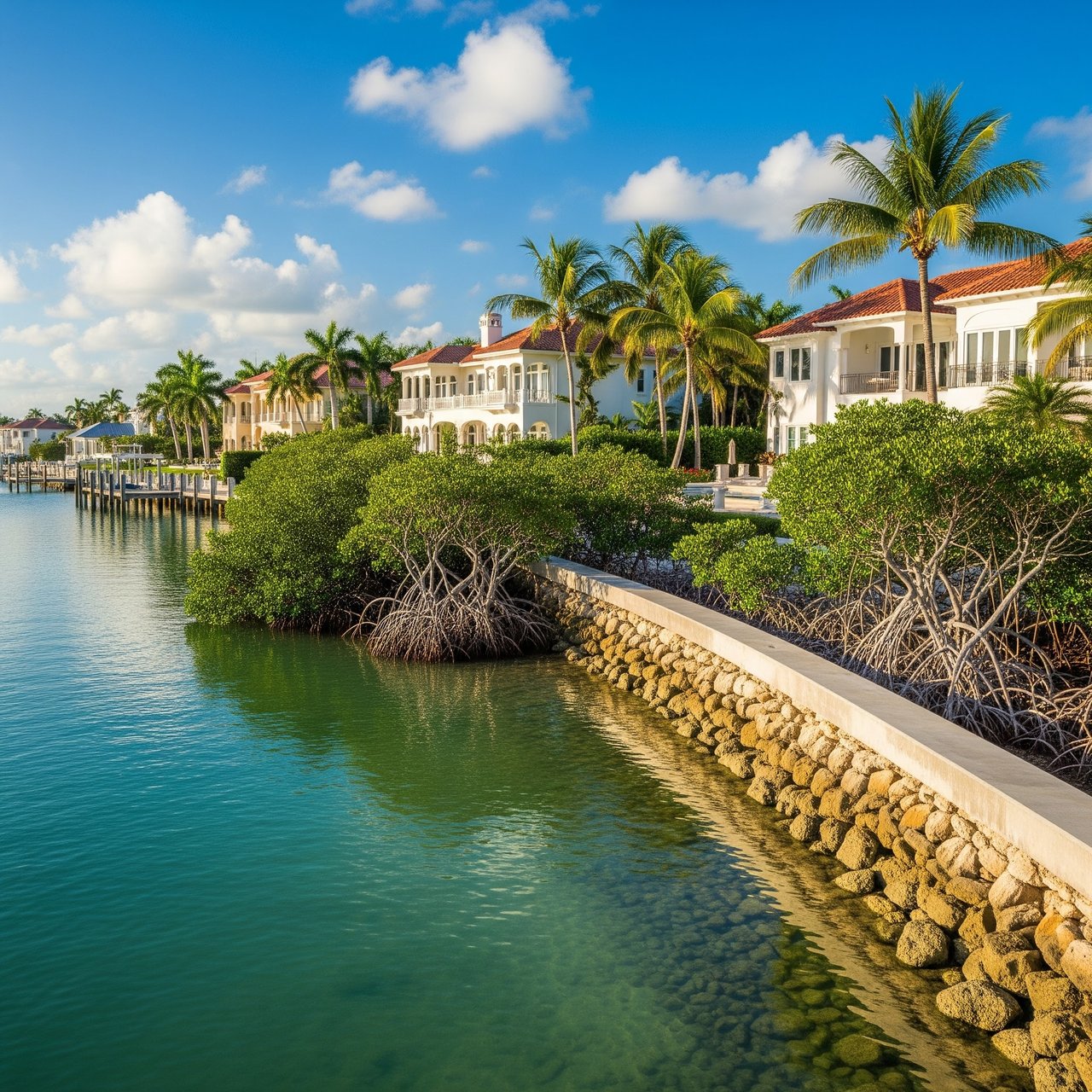
The Seawall & Riparian Mandate
December 24, 2025
December 24, 2025
In the ultra-high-net-worth (UHNW) real estate market of South Florida, the most seductive feature of an estate—its proximity to the water—is also its most significant liability. While traditional brokerages focus on the aesthetic "view" and the lifestyle of the "blue mile," Sea Crown Estates operates under a different mandate. We treat a waterfront estate as a complex maritime infrastructure project.
In 2026, the physical and legal integrity of the shoreline is no longer an ancillary concern; it is the primary driver of asset valuation, fiduciary liability, and long-term legacy preservation. This briefing examines the technical engine of the coastal estate: the seawall and the riparian rights that govern it.
A seawall is not merely a boundary; it is a structural defense system. For a $20M+ estate, the seawall represents a capital-intensive asset that is often poorly understood by standard home inspectors. At Sea Crown Estates, our Private Asset Review treats the seawall with the same forensic scrutiny as the home’s foundation.
Most buyers and fiduciaries look at the "cap"—the concrete top of the seawall—and judge its health by the absence of cracks. This is a dangerous oversimplification. The true integrity of the wall lies beneath the surface:
The Tie-Back System: The anchors that hold the wall against the pressure of the land. In aging South Florida estates, these steel rods are often victim to "slow-motion" corrosion. A failure here doesn't happen all at once; it manifests as a subtle leaning of the wall that can lead to catastrophic collapse during a storm surge.
Sheet Pile Depth: The "toes" of the wall must be driven deep enough into the limestone or substrate to prevent "undermining." As boat traffic increases and wake energy intensifies in the Intracoastal, older walls with shallow sheet piling are increasingly at risk of being "washed out" from the bottom.
Hydrostatic Pressure & Weep Holes: A seawall must breathe. If the weep holes (drainage) are clogged, the water pressure behind the wall during a receding tide can exceed the wall’s structural capacity, leading to a "blowout."
Replacing a seawall in an enclave like Manalapan or Gables Estates is not a simple construction project; it is a multi-million dollar maritime operation. Between permitting, specialized barge access, and high-spec materials, costs can range from $2,000 to $5,000 per linear foot. For a 200-foot lot, a failing wall represents a $1M liability that is often "hidden" in standard MLS listings but is immediately flagged in our Shadow Valuations.
Ownership of a waterfront estate does not grant absolute authority over the water. The legal framework of Riparian Rights (rights of owners whose land borders a river or stream) and Sovereign Submerged Lands is where many fiduciaries encounter their greatest risks.
In Florida, the state generally owns the land beneath navigable waters (Sovereign Submerged Lands) up to the Mean High Water Line (MHWL). This means that a principal’s "ownership" effectively ends at the water’s edge. Any structure extending beyond that line—docks, boat lifts, or T-piers—exists only by virtue of state-granted riparian rights or specific submerged land leases.
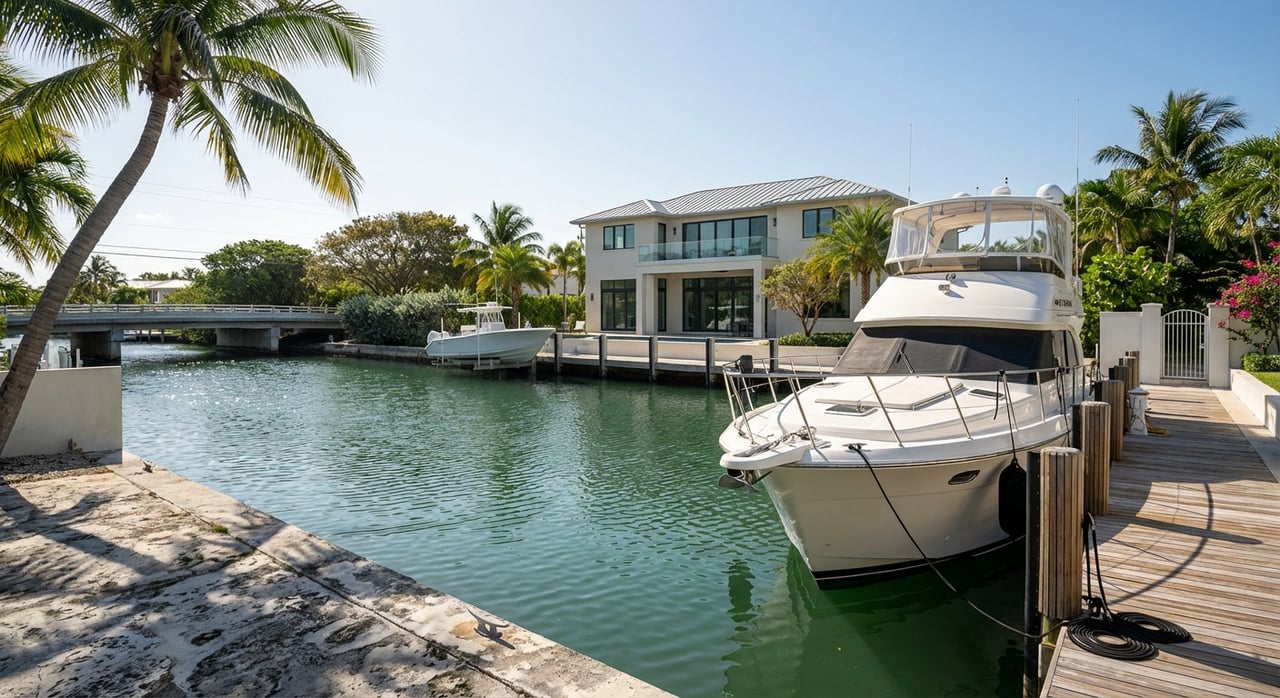
For the yacht-centric principal, the "dockage" is the primary utility of the home. However, many "legacy" docks in South Florida are technically non-compliant with modern environmental regulations.
The Seagrass Hurdle: If an estate is located in a protected seagrass zone, expanding or even repairing a dock can become an arduous, multi-year permitting battle with the Florida Department of Environmental Protection (FDEP) and the U.S. Army Corps of Engineers.
Draft and Depth: Just because a dock is present does not mean it is functional for a specific vessel. Bathymetric depth varies wildly in Gables Estates and the Venetian Isles. A $30M acquisition can be rendered useless for the principal if the "controlling depth" of the canal cannot accommodate their vessel’s draft.
As municipal governments across Palm Beach, Broward, and Miami-Dade counties implement "Resilience Mandates," the regulatory environment has shifted from elective to mandatory.
Many municipalities are now codifying minimum seawall heights to combat "sunny day flooding" and sea-level rise. If an asset is identified as having a "below-grade" seawall, the owner may be compelled to raise it. This isn't just a construction cost; it impacts the aesthetic of the yard, the drainage of the pool deck, and the privacy of the estate.
This is the most significant "hidden" regulator in coastal real estate. If a principal intends to renovate an older home, and the cost of the renovation exceeds 50% of the structure's depreciated value, the entire property (including the seawall and elevation) must be brought up to current, stringent flood codes. In many cases, this makes a "renovation" financially impossible, turning the asset into a "land-value-only" play.
For the Estate Attorney or Trust Officer, the maritime infrastructure of the asset is a potential source of litigation. If a trust sells a waterfront estate and the seawall fails six months later due to an undisclosed "undermining" issue, the fiduciary could be held liable for a failure of due diligence.
We mitigate this risk through our Trusted Alliance. When we take on a coastal mandate, we don't just send a photographer; we send a team:
Maritime Engineers: To perform a "Visual and Structural Integrity Audit" of the seawall.
Environmental Consultants: To verify the status of riparian rights and submerged land leases.
Resilience Strategists: To calculate the asset’s "Regulatory Horizon"—identifying when municipal hardening mandates will hit the property’s bottom line.
By treating the seawall as a financial instrument rather than a landscaping feature, we provide our fiduciaries with a Defensible Value that stands up to the scrutiny of heirs, auditors, and the IRS.
The South Florida waterfront is a dynamic environment. In the "Shadow Market," where assets are traded with absolute discretion, the technical integrity of the shoreline is the ultimate currency. A principal who understands their seawall understands their equity.
At Sea Crown Estates, our mandate is to ensure that the "Engine" of your coastal asset is as pristine as the view it provides.
Brokerage Disclaimer: Sea Crown Estates is a licensed real estate brokerage (#CQ1073537). We provide specialized real estate consulting and brokerage services. We are not engineers, attorneys, CPAs, or financial advisors. All technical data should be verified with a licensed maritime engineer and riparian rights attorney.
This briefing is part of the Discreet Horizons journal by Sea Crown Estates, LLC.
Discreet Horizons is the forensic intelligence arm of Sea Crown Estates. In an era of increasing transparency and shifting coastal codes, we provide the situational awareness required to protect coastal legacies.

The Singular Mandate
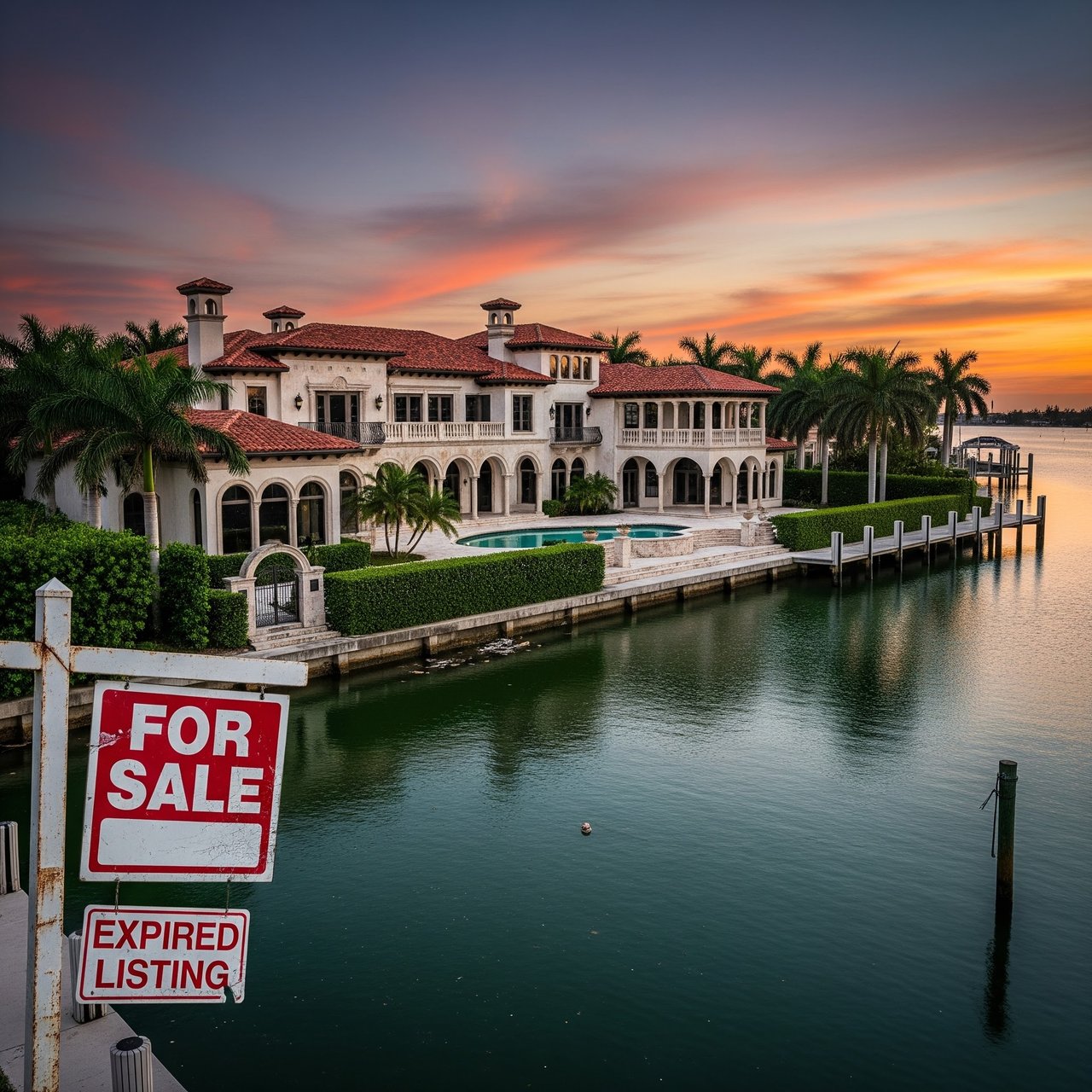
The Expired Asset

Sea Crown Estates

Sea Crown Estates

From Inquiry Through Closing

The Sovereign Alternative
Specializing in luxury real estate, Sea Crown Estates delivers discreet, white-glove service with curated listings, expert insights, and a bespoke approach tailored to every client’s vision.