The Calculous of the Coast
December 18, 2025
December 18, 2025
In the $15M+ South Florida real estate market, "waterfront" is a broad and often misleading descriptor. For the principal who views their property as a strategic asset, the value isn’t derived from the view—it is derived from Maritime Utility.
Maritime Utility is the technical measure of how a property functions as a private port. It is the difference between a beautiful home on a canal and a high-performance estate that can accommodate a 100ft+ vessel with 24/7 operational readiness.
When auditing an estate's utility, we look past the aesthetic of the dock to three non-negotiable technical constraints. These are the "Shadow Value" drivers that public algorithms and generalist brokers often overlook.
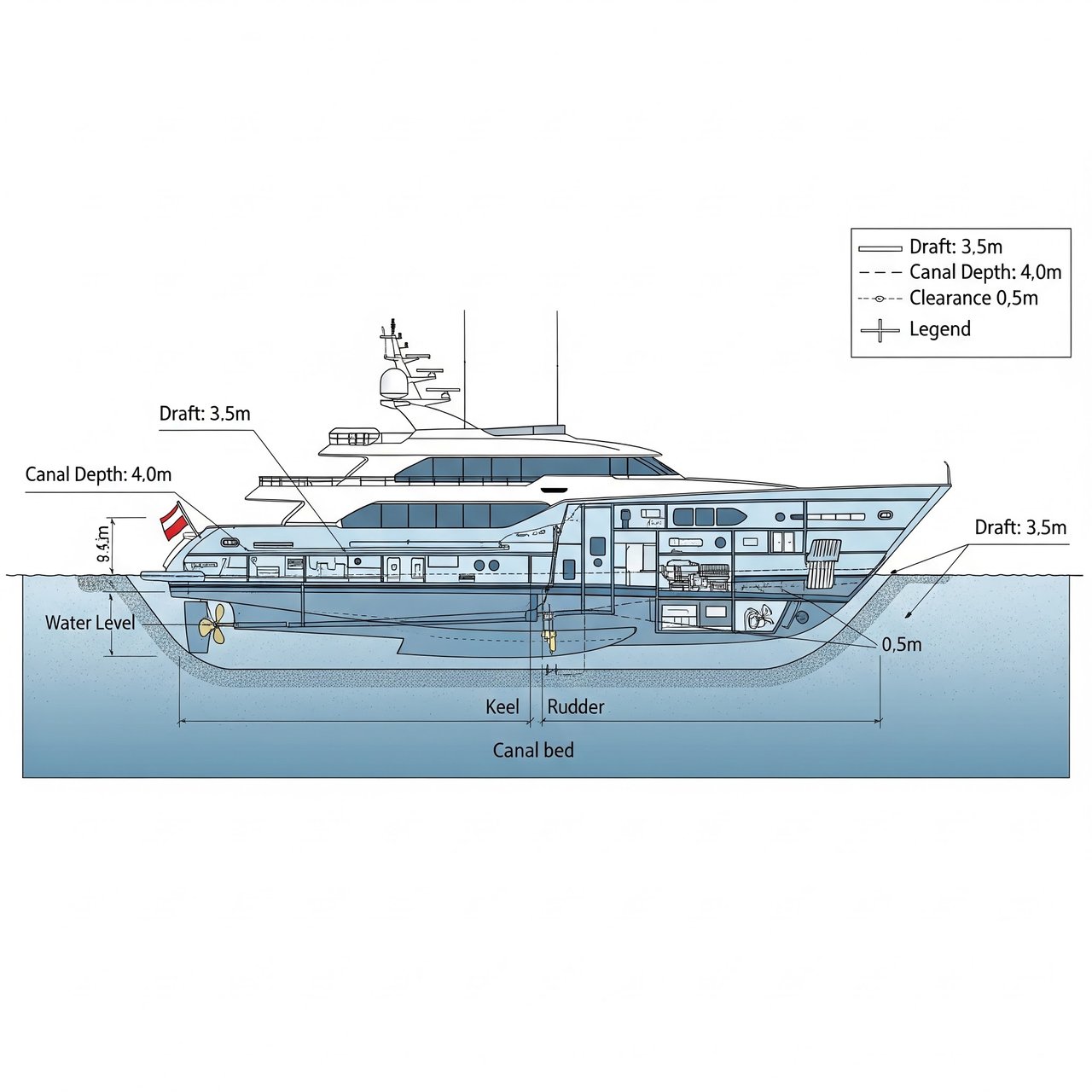
In neighborhoods like Fort Lauderdale or Highland Beach, a canal may be charted at 8 feet, but sediment buildup (shoaling) can reduce your operational depth to 5 feet at low tide.
The Risk: A vessel drawing 6.5 feet becomes "landlocked" twice a day.
The Audit: We verify the depth at the seawall and the canal center to ensure your vessel never "touches bottom," which protects both the hull and the property's liquidity.
"No Fixed Bridges" is the gold standard for a reason. If your route to open water includes a bridge, its clearance (Air Draft) becomes the permanent cap on your asset's value.
The Impact: A 15-foot fixed bridge instantly disqualifies any modern sportfish or motor yacht with a tuna tower or radar arch.
Strategic Note: We calculate the "Mean High Water" clearance to ensure your next vessel acquisition isn't limited by a bridge you can't move.
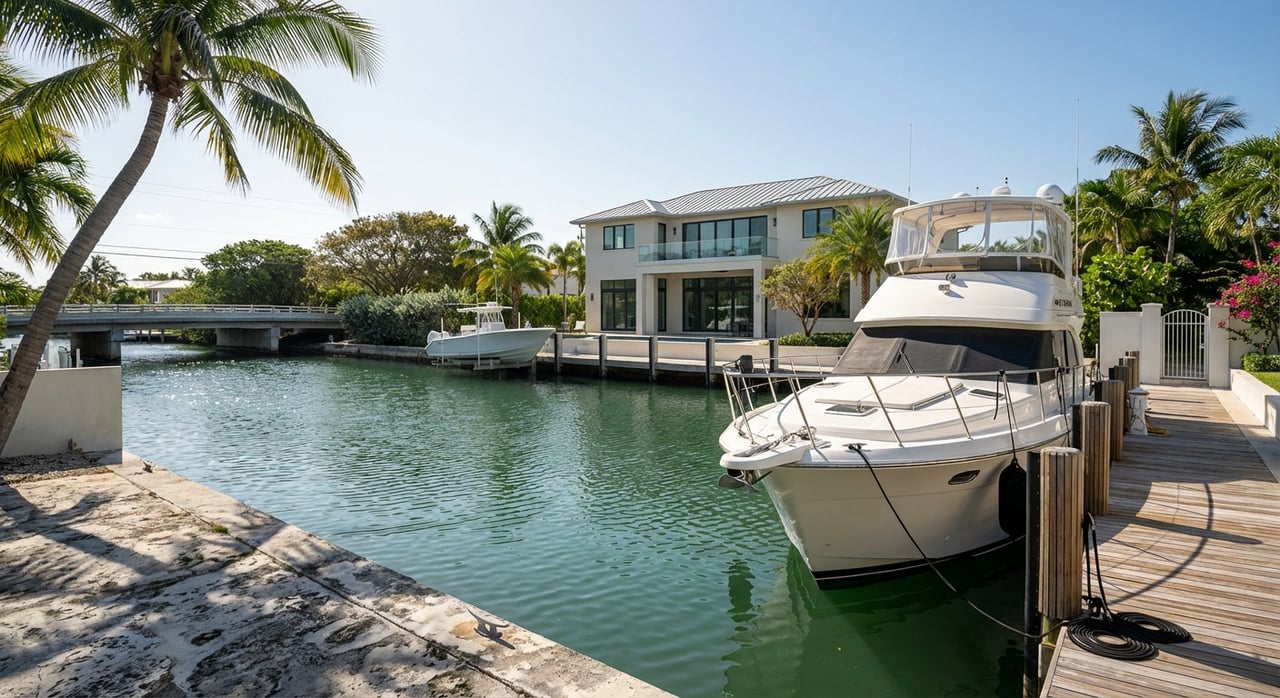
Many owners assume they can dock whatever fits their seawall. However, in most South Florida municipalities, your vessel cannot occupy more than 30% of the waterway's width.
The Constraint: If you have a 100ft seawall on a 60ft wide canal, your maximum beam (vessel width) is 18 feet.
The Audit: Exceeding this limit invites code enforcement fines and creates a liability that must be disclosed—and likely discounted—during a future sale.
A seawall is more than a property boundary; it is a structural "retaining wall" that protects your land from erosion and subsidence. In the current market, an aging seawall is a $250k to $500k capital liability waiting to happen.
During our Vault Onboarding, we inspect for:
Cap Beam Integrity: Are there horizontal cracks indicating the tie-backs are failing?
Scouring: Has the propeller wash from large vessels undermined the base of the wall?
Entitlement Carry: Does the property have the permits to extend the dock or install a high-capacity lift? Grandfathered rights to larger docks are often the "Hidden Equity" in older estates.
When it comes time to sell, Maritime Utility is what justifies a premium price floor. A buyer with a 90ft yacht isn't looking for a "renovated kitchen"—they are looking for a Safe Harbor. If your property has the draft, the clearance, and the seawall integrity to accommodate their lifestyle without a $1M infrastructure upgrade, you have already won the negotiation.
Is your waterfront asset being under-priced by a generalist broker who doesn't understand your draft?
Discreet Horizons is the forensic intelligence arm of Sea Crown Estates. In an era of increasing transparency and shifting coastal codes, we provide the situational awareness required to protect coastal legacies.

The Singular Mandate
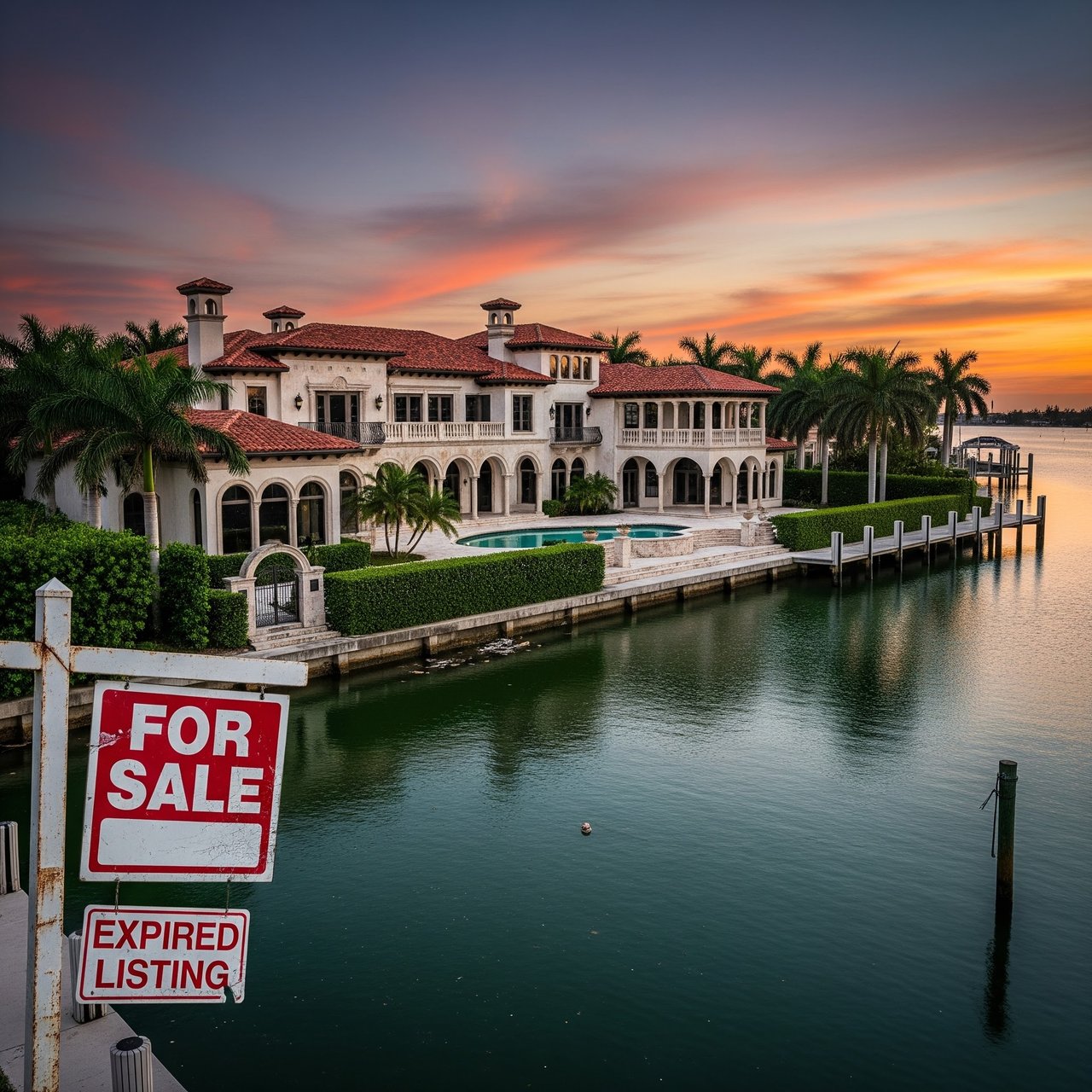
The Expired Asset

Sea Crown Estates
Sea Crown Estates

From Inquiry Through Closing

The Sovereign Alternative
Specializing in luxury real estate, Sea Crown Estates delivers discreet, white-glove service with curated listings, expert insights, and a bespoke approach tailored to every client’s vision.