Wondering if a Boca Raton gated community is better as your full-time base or a seasonal escape? You are not alone. Buyers often weigh lifestyle, costs, and rules before deciding. In this guide, you will learn how community types differ, what to check in HOA documents, and which features support primary, second-home, and multi-generational living. Let’s dive in.
How Boca’s gated models differ
Country-club resorts
Country-club communities like Boca West offer expansive clubhouses, golf, dining, and social programs. They usually have 24/7 manned gates and on-site services that suit seasonal and year-round owners. Expect a separate club membership structure in addition to HOA dues. Review membership contracts and fees along with HOA budgets. Explore the community’s services on the Boca West Country Club site.
Ultra-private waterfront enclaves
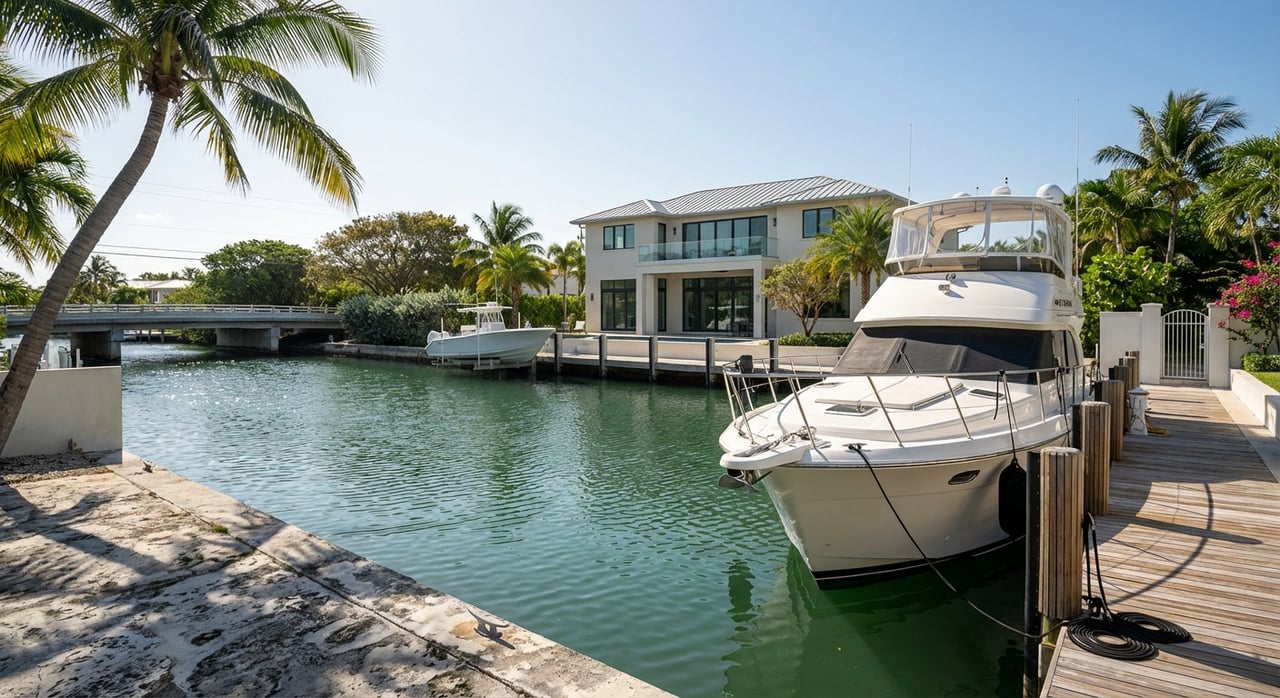
Waterfront enclaves, such as The Sanctuary, focus on privacy and security with manned gates and both land and water patrols mentioned in community materials. These neighborhoods are ideal if you want boating access and a low-profile setting. They tend to have fewer club-style amenities and are not typically investor friendly. Verify the association’s rental policy in the recorded declaration and rules.
Master-planned resort-style neighborhoods
Communities like Boca Bridges, Seven Bridges, The Oaks, and Broken Sound provide large clubhouses, pools, fitness, tennis, and social spaces. Many are popular with families and long-term residents. Some, like Broken Sound, also pair master amenities with multiple villages and home types. Check village-level rules and any club equity requirements listed on the Broken Sound Club site.
Market snapshot and why it matters
Redfin reports a citywide median sale price around $860,000 as of January 2026. Prices vary widely by neighborhood and housing type. Waterfront enclaves can be several million dollars, while inland master plans cover a range of price points. This spread affects resale timelines, carrying costs, and fit for second-home or multi-generational use.
Primary vs second home vs multi-generational fit
If you plan a primary home
- Focus on stable dues and well-funded reserves. Ask for audited or reviewed financials, the current reserve balance, and any special assessments in the past 2 to 3 years.
- Review commute and daily-life access. Proximity to shops and services can save time.
- School assignment is address specific. Confirm zones with the School District of Palm Beach County’s official site.
- Look for amenities you will use often, like fitness, swim, playgrounds, and dining.
If you want a lock-and-leave second home
- Prioritize 24/7 manned gates and on-site management. Country-club settings are often designed for seasonal owners. Boca West highlights staffed services and a lock-and-leave lifestyle on its lifestyle page.
- Verify rental minimums and limits. Many associations set 30, 60, or 90-day minimums, cap leases per year, or require owner occupancy windows.
- Check flood zones and insurance. Use FEMA’s Flood Map Service Center and confirm wind and flood coverage options with your insurer. Understand the role of Citizens Property Insurance at Citizens Property Insurance.
If you need multi-generational flexibility
- Confirm occupancy rules, guest policies, and parking limits in the declaration and rules.
- Ask about architectural guidelines for additions, casitas, or accessibility updates.
- Review amenity access for household members and any fees tied to extra users.
What to check in HOA and condo documents
Florida law sets clear rules for buyer access to records, and those rules sit alongside each community’s governing documents. Your review should include:
- Association type. Confirm if it is a homeowners’ association under Florida Chapter 720 or a condominium under Chapter 718. This affects disclosures, budgets, and reserves.
- Club membership terms. Country-club dues or equity requirements can be separate from HOA fees. Ask for the membership agreement and fee schedule.
- Financial health. Request the current operating budget, last 2 to 3 years of financials, reserve study, and current reserve balance. Check for recent special assessments and delinquency rates.
- Rental rules. Obtain the written leasing policy and ask how many homes are currently leased.
- Meeting minutes. Read the last 12 to 36 months for capital projects, litigation, vendor changes, and rental policy updates.
- Insurance. Review the master policy, wind and flood deductibles, and any recent claims.
- Condo-only checks. For buildings that qualify, confirm milestone structural inspections and Structural Integrity Reserve Studies have been completed and budgeted. See context on Florida’s condo rules and post-Surfside changes from this legal guide at Pardo, M., Law. For required condo resale disclosures and timing, reference Chapter 718.503.
Validate records in public sources
- Recorded documents. Confirm the declaration, amendments, and plats through the Palm Beach County Clerk’s Official Records search.
- Corporate status. Check the association in Florida’s corporate registry to verify filings and contacts.
- Flood data. Cross-check the property’s FEMA flood zone at the Flood Map Service Center.
Security and staffing that matter to buyers
- Gate type. 24/7 manned gates and roving patrols can support peace of mind for seasonal and full-time owners.
- On-site services. Package handling, landscaping, and vendor management help if you travel often.
- Waterfront specifics. Some enclaves include water patrols and marina oversight, which is useful if you own a boat.
Amenities and membership obligations
- Country-club models often require separate membership dues or equity buy-ins for golf and dining access. These contracts are distinct from HOA budgets and can impact ongoing costs.
- Master-planned communities can bundle clubhouse access with HOA dues. Confirm what is included and what is pay-per-use.
- Always request fee schedules, guest policies, and any transfer or initiation fees.
Location, insurance, and structural compliance
- Waterfront lots can face higher maintenance and specific insurance needs. Use FEMA resources for zone verification and obtain quotes for wind and flood coverage early. Learn more about coverage availability at Citizens Property Insurance.
- For condo purchases, ask for the most recent milestone inspection and reserve study. These reports can signal future assessments. A helpful overview of state requirements is available at Pardo, M., Law.
Community examples to start your short list
- Boca West Country Club. Large private residential country club with four golf courses, robust clubhouse programming, and 24/7 manned gates. Marketed to both seasonal and year-round owners. Expect club membership obligations separate from HOA dues. See the Boca West Country Club site.
- The Sanctuary. An ultra-private Intracoastal enclave with manned gate access and patrols often cited in community materials. A fit for privacy and boating rather than investor use. Verify rules on leasing, guests, and docks in the declaration.
- Broken Sound Club. A multi-village country-club community with varied housing types and a club membership model. Review village-level policies and equity requirements using the Broken Sound Club real estate overview.
- Seven Bridges and similar master plans. Newer gated neighborhoods with big-clubhouse amenities attract families and empty-nesters. Governance news around restaurant vendors and board decisions highlights why you should always review minutes. See a local example of governance coverage at BocaNewsNow.
Offer strategies and protections
- Build an HOA document review window of 7 to 15 days into your offer. Larger associations and condos with new inspection reports may need more time.
- Ask the seller to deliver the resale certificate or estoppel letter quickly. Confirm dues, fines, and any liens.
- If condo reports show Phase 2 repair needs, request a seller credit or escrow.
- Clarify any club membership transfer requirements and who pays initiation fees.
Putting it all together
If you want a full-time base, look for stable finances, daily-life amenities, and clear school zoning. If you want a seasonal escape, focus on manned security, on-site management, and rental rules that match your plans. If you need multi-generational flexibility, confirm occupancy and parking rules, along with any options for guest suites or casitas. Wherever you land, the right HOA documents and public records will make your decision clear.
Ready to compare gated communities that fit your lifestyle and timeline? Connect with our brokerage team at Sea Crown Estates for a focused short list, document guidance, and next steps.
FAQs
What makes a Boca gated community good for a second home?
- Look for 24/7 manned gates, on-site management, and clear rental rules with minimum lease terms that match how you plan to use the property.
How do I verify rental rules before I buy?
- Ask for the recorded declaration and written leasing policy in the resale packet, then confirm the same documents in the Palm Beach County Clerk’s Official Records search.
What insurance steps should I take for a waterfront home?
What condo-only items can impact my budget?
- Milestone inspections and Structural Integrity Reserve Studies can lead to future work and assessments; request copies and review guidance like this overview from Pardo, M., Law.
Which laws cover HOAs and condos in Florida?