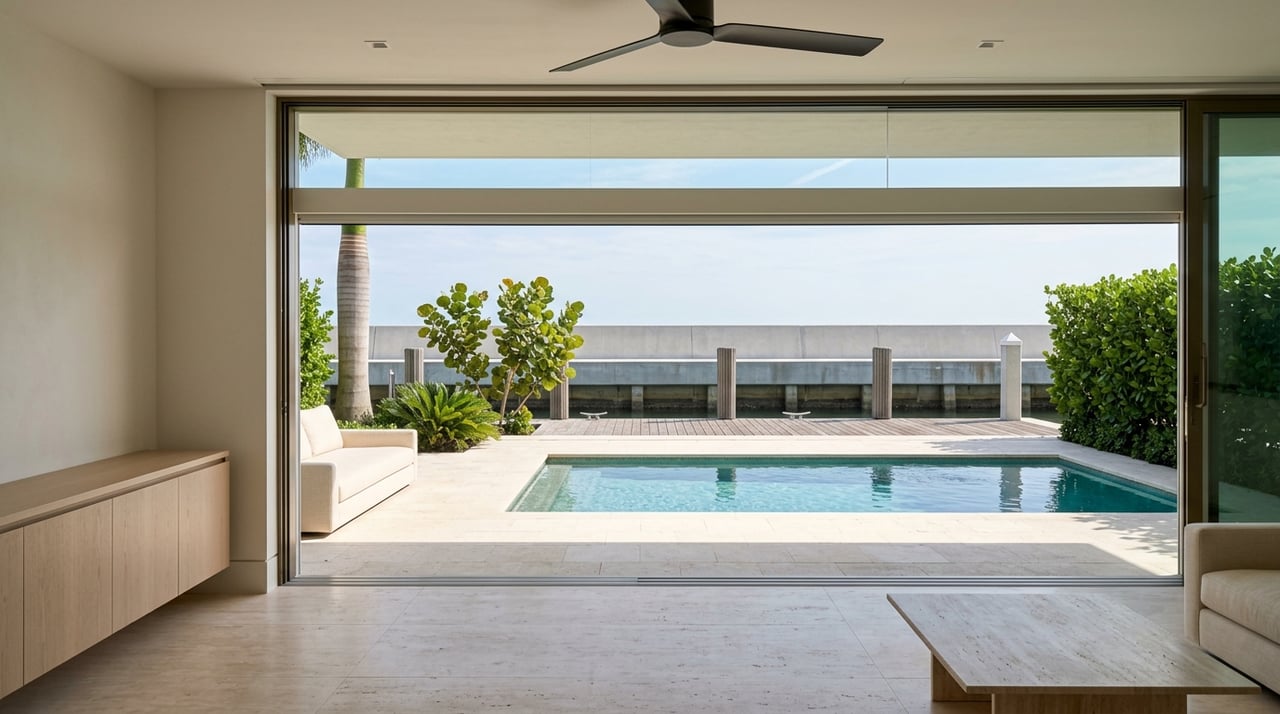
Living On The Water In West Palm Beach: Culture, Dining, Access
April 2, 2026
April 2, 2026
If you picture waterfront living in West Palm Beach as a quiet view from a distance, you may be missing the best part. Here, the water is part of your daily routine, with public promenades, dock access, outdoor dining, weekly events, and a walkable downtown core that keeps the shoreline active beyond sunset. If you are exploring a move, a second home, or an investment in the area, understanding how the waterfront actually functions can help you choose the right lifestyle fit. Let’s dive in.
West Palm Beach’s waterfront is centered on the Intracoastal Waterway, not a single beach strip. According to the city, the official waterfront corridor runs from the city’s southeastern to northern limits, with its epicenter at 100 Clematis Street, placing the experience right in the heart of downtown (City of West Palm Beach).
That setup shapes daily life in a practical way. Instead of a waterfront that feels separate from the city, West Palm Beach blends views, parks, restaurants, and public gathering spaces into one connected district.
The city’s planning framework also helps explain the atmosphere. The Clematis Waterfront is described as a pedestrian-oriented historic retail corridor between the waterfront and Rosemary Avenue, which is why the area feels more like an urban promenade than a stand-alone marina zone.
One of the strongest features of living on the water in West Palm Beach is how accessible it is. You do not need a private dock or club membership to enjoy the shoreline on a regular basis.
At Waterfront Commons, you will find accessible paved trails, shade, picnic tables, restrooms, and water fountains. Nearby, Lake Pavilion at 101 S. Flagler Drive adds broad Intracoastal views within the City Commons and Waterfront Promenade area, making the waterfront useful for both everyday walks and larger community events.
For boaters, the downtown waterfront offers direct access to the Intracoastal Waterway. The city states that the Clematis Street and Fern Street docks are open daily from 5 a.m. to midnight, and non-commercial use is free through the city dock system (City Docks information).
There is one current limitation to keep in mind. Currie Park’s docks are closed for redevelopment and are expected to reopen in spring 2027, so for now, much of the active public access is focused on other city docks and launch points.
West Palm Beach’s water lifestyle is broader than dockage and yacht slips. The larger setting is Lake Worth Lagoon, which Visit Palm Beach describes as a 20-mile urban estuary.
That matters if you want options beyond traditional boating. The lagoon supports kayaking, fishing, birdwatching, scenic cruising, and waterfront recreation that feels approachable even if you do not own a boat.
For example, paddling access adds a more flexible side to the lifestyle. South Cove Natural Area kayak tours highlight how easy it is to get close to the water through eco-tours and small-craft outings, which makes the waterfront appealing to residents who want participation, not just views.
Some waterfront neighborhoods are scenic but quiet. West Palm Beach stands out because the shoreline also works as a civic gathering place.
A good example is Clematis by Night, the city’s free Thursday concert series on the Great Lawn from 6 to 9 p.m. It gives the waterfront a reliable weekly rhythm and helps create the kind of evening activity many buyers want when they imagine walkable coastal living.
Saturday brings another signature event. The GreenMarket is held at Waterfront Commons and the 100 block of Clematis Street, and the city says it typically draws about 7,000 to 10,000 visitors on a normal Saturday, while also earning repeated recognition as a top U.S. farmers market (GreenMarket update).
Annual events build on that same identity. The city’s waterfront calendar includes 4th on Flagler, while the area also hosts LagoonFest programming and the Palm Beach International Boat Show along Flagler Drive, reinforcing the waterfront as a public-facing destination rather than a private enclave.
The water may be the visual anchor, but the cultural setting around it adds depth to daily life. West Palm Beach’s ArtLife WPB public art program is designed to connect people through shared spaces, which fits naturally with the open, civic feel of the waterfront district.
Nearby cultural institutions also broaden the experience. The Kravis Center and the Norton Museum of Art add year-round arts programming close to the waterfront core, so your routine can easily include a waterside walk, dinner downtown, and an evening performance or museum event in the same part of the city.
That mix is important from a lifestyle perspective. It gives waterfront living here more variety than a setting built only around beaches or private marinas.
One reason the waterfront in West Palm Beach feels easy to enjoy is that dining is concentrated in a compact, walkable area. You can move from the water to dinner and then continue strolling without needing to treat each stop as a separate destination.
The DowntownWPB outdoor dining guide highlights patio and waterfront-view options around Clematis Street and nearby blocks, including E.R. Bradley’s, Pistache, and Rocco’s Tacos. That street-level concentration helps create the casual flow many buyers are looking for when they say they want an urban waterfront lifestyle.
Visit Palm Beach describes downtown West Palm Beach in similar terms, connecting local restaurants, shopping, arts, and eco-tours within the same area. The Hut on the Waterfront at 138 S. Flagler also serves as an activity launch point, reinforcing the idea that the shoreline functions as the front porch of downtown rather than a separate entertainment zone.
If you are deciding between coastal communities in South Florida, it helps to understand what makes West Palm Beach distinct. Based on official descriptions in the research, nearby markets each offer a different relationship to the water.
Palm Beach places more emphasis on island shoreline and public beach access, with over 12 miles of shoreline and two public beaches according to the town. Boca Raton’s waterfront parks connect strongly to boat-launch access for Lake Boca, the inlet, and the Atlantic Ocean. Delray Beach is often defined by the walkable Atlantic Avenue corridor leading toward the ocean and its street-dining culture.
West Palm Beach, by contrast, is most clearly defined by public Intracoastal access, civic events, and walkable downtown energy. If your ideal day includes a waterside walk, a farmers market, outdoor dining, live music, and optional paddle or boat access, this city offers a particularly practical version of waterfront living.
For many buyers, especially second-home and lifestyle-oriented purchasers, the value of waterfront living comes down to how often you will actually use it. West Palm Beach stands out because the waterfront is built into ordinary routines, not just special occasions.
You can picture the pattern clearly: a Thursday concert on the lawn, a Saturday market by the water, dinner on Clematis, and easy access to docks, paddle routes, and public gathering spaces throughout the week. That regular rhythm can be just as important as the view from a balcony or terrace.
If you are considering waterfront property in West Palm Beach, it helps to look beyond the map and focus on the lived experience around it. The right purchase is not only about being near the water. It is about choosing a setting where culture, dining, and access support the way you want to live. To explore coastal opportunities with a brokerage that understands lifestyle-led waterfront real estate, connect with Gail Kennell.
Discreet Horizons is the forensic intelligence arm of Sea Crown Estates. In an era of increasing transparency and shifting coastal codes, we provide the situational awareness required to protect coastal legacies.
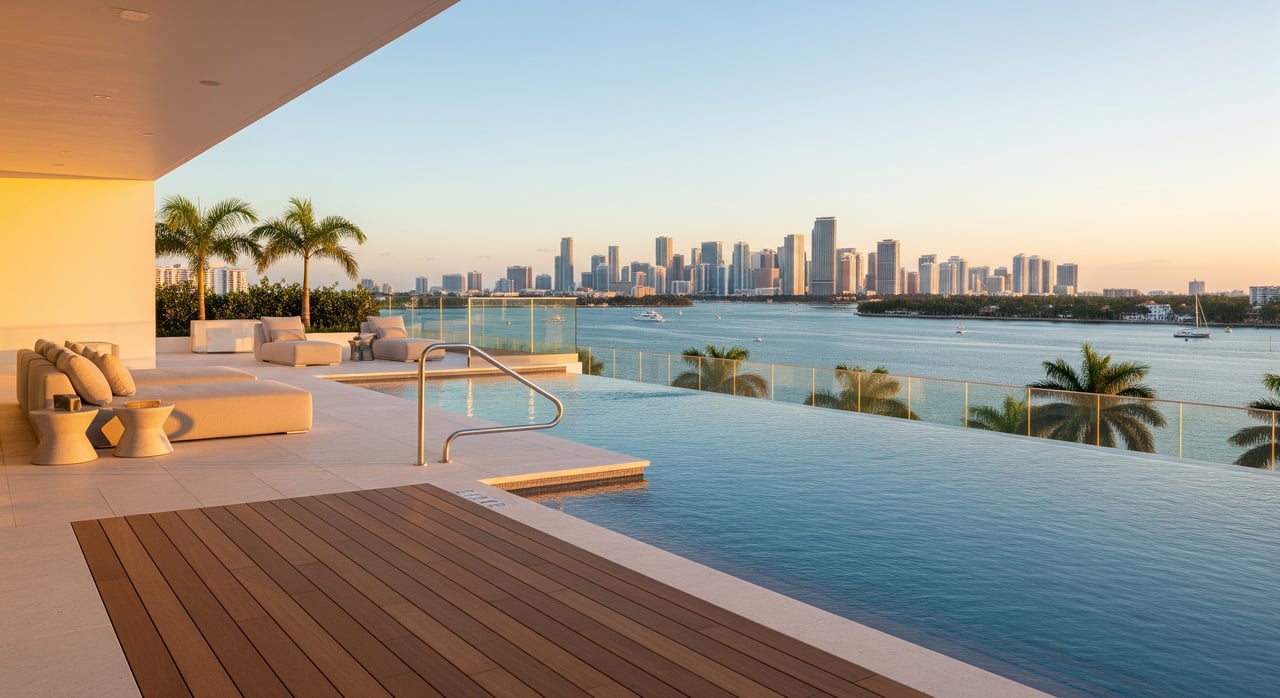


The Singular Mandate
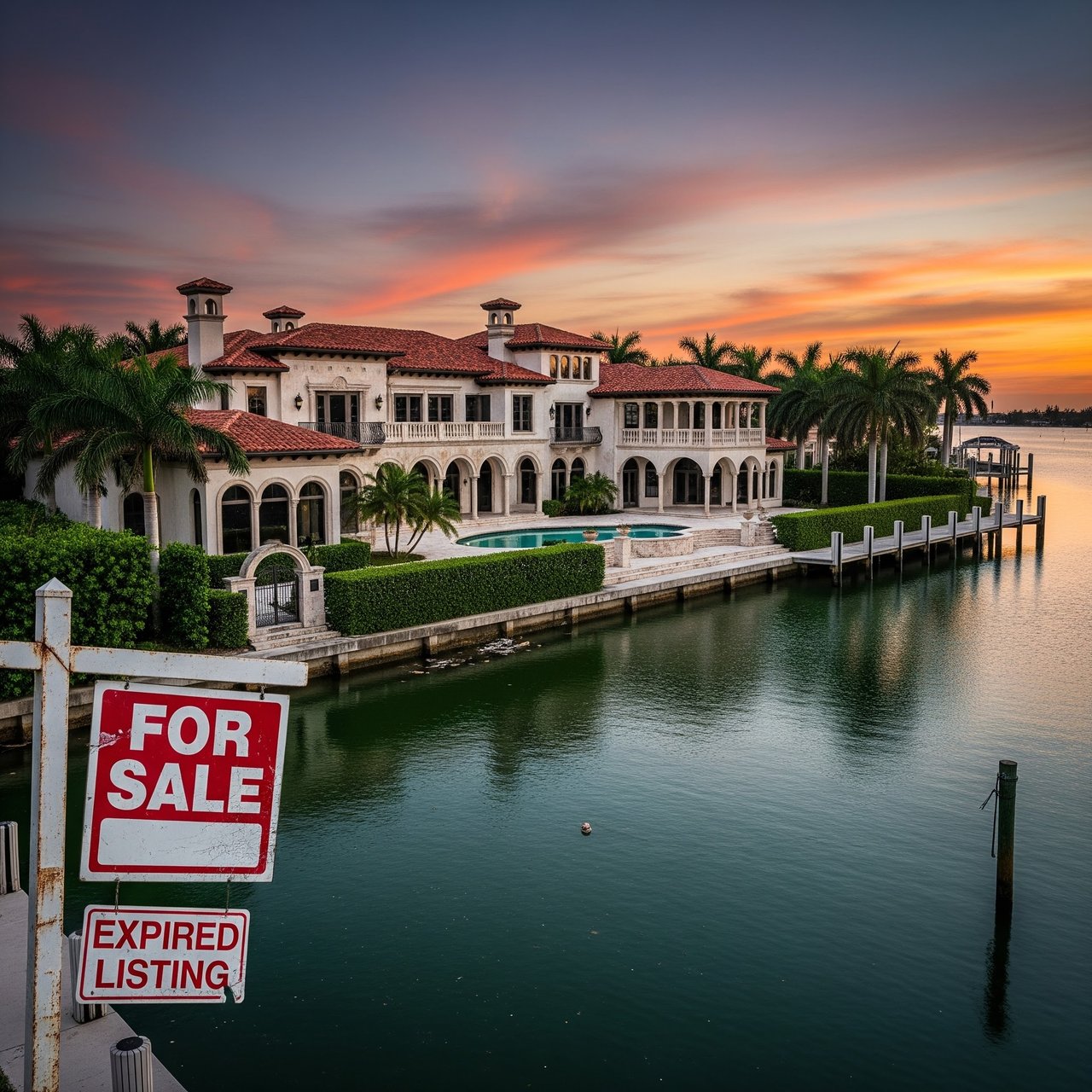
The Expired Asset

Sea Crown Estates
Specializing in luxury real estate, Sea Crown Estates delivers discreet, white-glove service with curated listings, expert insights, and a bespoke approach tailored to every client’s vision.